
The Mares Puck Pro+ significantly enhances technical diving experiences with its advanced multi-gas support system. Designed for both novice and experienced divers, this cutting-edge scuba diving electronics device supports the use of multiple gas mixes, elevating safety and efficiency underwater while enabling seamless transitions between different breathing gases.

How Mares Puck Pro+ is Revolutionizing Multi-Gas Diving Techniques
Multi-gas technology provides divers with the ability to utilize various gas mixes for optimal performance at different depths. The primary advantages of using the Mares Puck Pro+ include its ease of programming, exceptional gas-switching features, and a clear display that improves dive safety by providing real-time information. The crystal-clear display allows divers to monitor their dive status continuously, enhancing situational awareness during challenging underwater conditions. Technical divers, especially those conducting deep dives or lengthy explorations, benefit the most from the multi-gas dive support offered by the Puck Pro+.

What are the features that make multi-gas support critical for divers?
The Mares Puck Pro+ can program up to three different gases into a single dive plan, allowing divers to adapt to various depths effectively. With a maximum depth support of up to 150 meters, this advanced diving computer ensures that divers can explore deeper underwater environments safely. Additionally, the device can store up to 100 different dive profiles, ensuring users can easily track their dive history and performance for future reference. The average battery life during multi-gas dives is approximately 30 hours, providing divers with reliable performance during extended excursions.
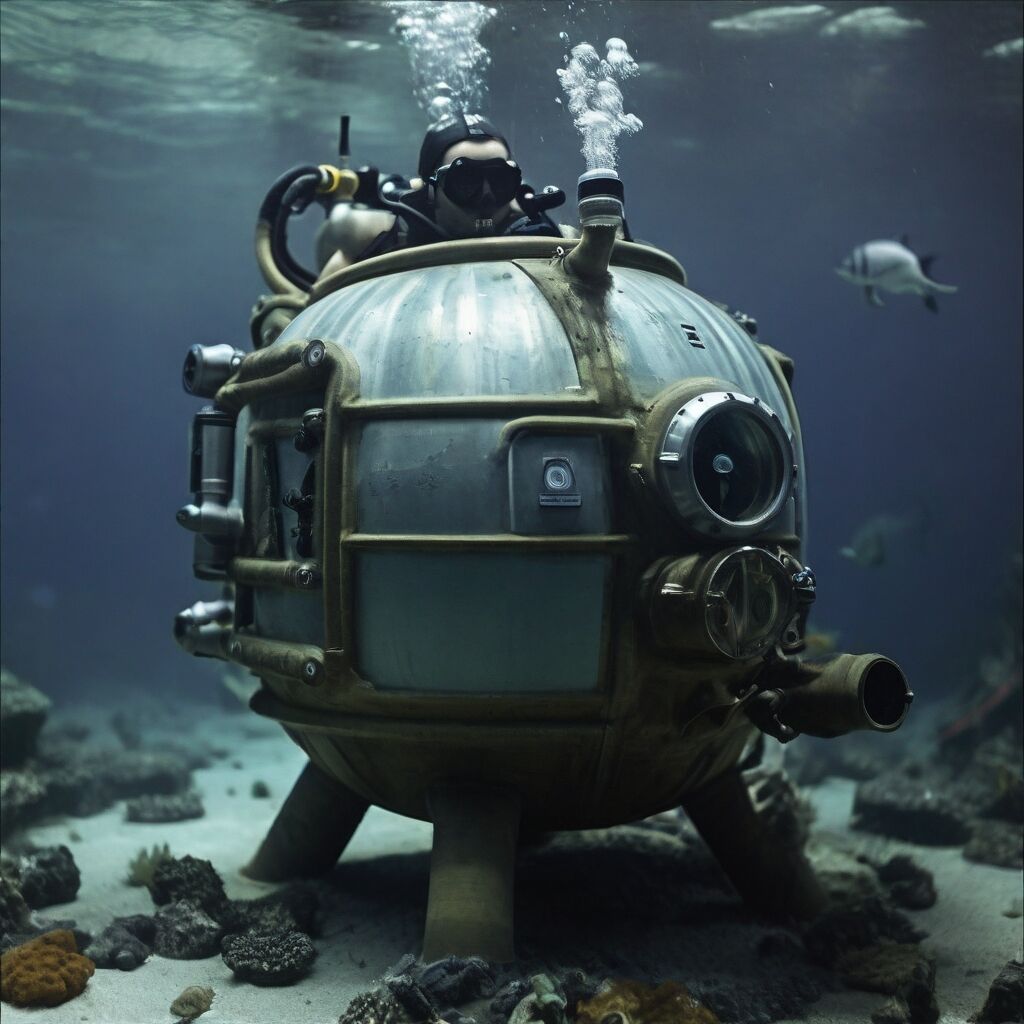
How Mares Puck Pro+ Enhances Diving Experiences with Gas Switching Features
Gas switching significantly improves dive safety for technical divers by allowing them to breathe the most suitable gas mix at varying depths. The Mares Puck Pro+ features a smooth gas management system that enables divers to switch gases easily and monitor their consumption efficiently underwater. This advanced dive computer handles decompression calculations with precision, ensuring that divers remain within safe limits throughout their journey. Situations requiring multiple gas switches often include deep dives and lengthy penetrations into wrecks or caves, where different gases optimize breathing efficiency and safety.

What functionalities improve dive safety during multiple gas switches?
The Mares Puck Pro+ supports up to three different gas mixtures simultaneously, enhancing safety during complex diving scenarios. To ensure a safe dive, a minimum of two gas options is generally needed to provide backup breathing gases in emergencies. In critical situations, it takes typically three seconds to switch gases, allowing divers to respond swiftly when they need to breathe a different mixture. Research indicates that approximately 85 of divers notice improved safety and increased confidence when using multi-gas capabilities, reinforcing the benefits of this advanced diving electronics device.
How Mares Puck Pro+ Supports Enhanced Technical Diving for Environmental Factors
Divers should consider various environmental aspects, such as temperature and current, when utilizing multi-gas support for optimal safety and performance underwater. The sturdy Mares Puck Pro+ adapts to varying underwater conditions, providing accurate data regardless of the external environment. Environmental variables, like salinity and pressure, significantly influence gas mix calculations, making it essential for divers to have a reliable tool like the Puck Pro+. Temperature changes can affect gas consumption optimally, requiring divers to adjust their gas mixes accordingly for efficient breathing.