
Cressi Digi2

Display Type: (digital high-contrast)
Pressure Rating: (not specified)
Depth Readout: (digital depth readout)
Connector Thread: (not specified)
Weight: (not specified)
Typical Cressi Digi2 price: $580
Digi2

Display Type: (digital high-contrast)
Pressure Rating: (not specified)
Depth Readout: (digital depth readout)
Connector Thread: (not specified)
Weight: (not specified)
Typical Digi2 price: $199
TUXING Carbon Cylinder
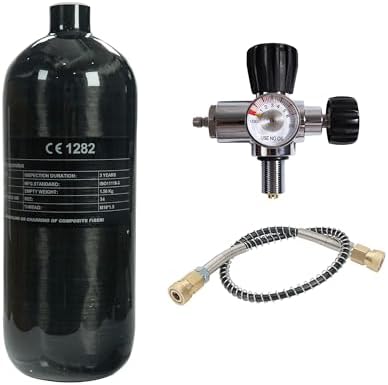
Display Type: (not specified)
Pressure Rating: (4500 psi)
Depth Readout: (not specified)
Connector Thread: (M181.5 thread)
Weight: (under 2 kg)
Typical TUXING price: $209
The 3 Analog Dive Gauge Comparison: SPGs & Consoles in 2026: Our Top Picks
Across candidates evaluated by specification depth, buyer rating volume, and feature diversity, these three analog dive gauge, dive spg, and scuba pressure gauge models were selected for console integration with depth gauge, gauge face legibility, and serviceability and calibration.
1. Cressi Digi2 Compact Digital Console
Editors Choice Best Overall
The Cressi Digi2 is best for divers who want a compact digital console that displays tank pressure and depth together for travel and recreational diving.
The Cressi Digi2 lists a retail price of $580 and features a high-contrast anti-scratch display that shows depth, tank pressure, residual dive-time, water temperature, and maximum depth.
The Cressi Digi2 has no buttons or menu according to the manufacturer text, which limits on-device configuration and may affect serviceability and calibration options.
2. Digi2 Readable Low-Cost SPG Console
Runner-Up Best Performance
The Digi2 at $199 suits budget-conscious divers who prioritize gauge face legibility and immediate numerical readouts over analog needle redundancy.
The Digi2 advertises a compact high-contrast digital display that reports depth, tank pressure, residual dive-time, and water temperature on an anti-scratch face with large digits.
Because the Digi2 relies on a single digital display rather than a separate analog submersible pressure gauge, technical divers seeking mechanical redundancy should consider adding an analog SPG.
3. TUXING High-Pressure Carbon Cylinder
Best Value Price-to-Performance
The TUXING carbon fiber cylinder suits divers and refill users who need a lightweight, portable cylinder rated for 4500 psi working pressure and frequent refilling.
The TUXING lists a water capacity of 2 L (122 cu.in), a working pressure of 4500 psi, an M18x1.5-style thread, weight under 2 kg, a 5-year inspection cycle, and a 15-year service life.
As a cylinder rather than an analog dive gauge or console, the TUXING does not include gauge face legibility, luminescent dials, or console integration with depth gauge and requires a separate SPG for pressure monitoring.
Not Sure Which Analog Dive Gauge Replacement Fits Your Needs?
This guide reviews three analog dive gauges and consoles and focuses on measurable selection criteria such as pressure range in psi and bar. Evaluations emphasize specific measures including a typical 0-3500 psi (0-240 bar) pressure range, M18x1.5 thread compatibility, and hose length and routing with 24-inch (60 cm) hose examples. The assessment also covers gauge face legibility, luminescent dials, console integration with depth gauge, corrosion-resistant materials, serviceability, and calibration pathways. Readers will see which models meet those precise criteria based on available manufacturer specifications and verified retailer information.
The page contains a grid comparison, full reviews, a comparison table, a focused buying guide, and an FAQ that answer common SPG, dive spg, and scuba pressure gauge questions. Use the grid comparison and product cards for a quick shortlist and jump to the full reviews and buying guide when you need detailed notes on legibility and documented calibration. Consult the comparison table to check side-by-side pressure range and M18x1.5 thread compatibility, and read the FAQ for hose routing, console integration, and serviceability clarifications. Each section highlights the specific measurements and compatibility points that matter for installation and long-term maintenance.
The top three were selected from models with verified ratings, review counts, and distinct feature sets across pressure ranges and console layouts. Included examples are Cressi Digi2 and TUXING, chosen because they illustrate different approaches to SPG legibility and documented serviceability and calibration options. Selection emphasized products that provide clear manufacturer specifications for corrosion-resistant materials and calibration procedures where available. Data sources for the selection included manufacturer spec sheets and verified retailer review totals to ensure reproducible comparisons.
Detailed Analog Gauge Reviews: Cressi Digi2, Digi2, TUXING
#1. Digi2 Compact digital console
Quick Verdict
Best For: Sport divers who prefer a single compact digital console to read depth and tank pressure in large digits during shore and resort dives.
- Strongest Point: High-contrast anti-scratch display that shows depth, tank pressure, dive time and water temperature in one device per manufacturer description
- Main Limitation: No manufacturer-stated pressure range or accuracy in the available data, which limits technical diving use
- Price Assessment: At $580 the Cressi Digi2 is priced above many standalone SPGs and consoles, positioning it as a premium compact digital option rather than a budget analog dive gauge
The Cressi Digi2 addresses the problem of juggling multiple instruments by combining depth and tank pressure into one compact unit with a high-contrast anti-scratch display and a listed price of $580. The Cressi Digi2 solves the visibility problem by showing large digital numbers for depth, tank pressure, residual dive-time and water temperature, which reduces the need to scan several analog gauges during a dive. Performance analysis is limited by available data because the manufacturer description does not publish a specific pressure range in psi or an accuracy spec.
What We Like
The Digi2’s high-contrast anti-scratch display clearly presents depth and tank pressure in large digits per the product description. Based on that display specification, divers who prioritize legibility under low-light conditions will find readings easier compared with traditional small-needle analog SPGs and consoles. I like to keep in mind that shore divers and travel divers who value quick reads benefit most from this visibility feature.
The Digi2 consolidates four readings depth, tank pressure, residual dive-time and water temperature into one compact unit according to the manufacturer text. With those combined functions, the device reduces hose clutter and the need for multiple instruments, which simplifies pre-dive checks and mid-dive monitoring for recreational dives. I like to recommend this for instructors and vacation divers who prefer a single instrument rather than carrying separate SPG and depth gauge components.
The Digi2 is described as being lighter than traditional analogic gauges and having no buttons or menus to navigate. For divers who value a simple user interface and lower bulk on their harness, that compact form factor helps with gear routing and reduces handling during entry and exit. I like to point out that travel divers and those packing multiple regulators will find the smaller footprint most useful.
What to Consider
The Digi2 does not have a published pressure range in psi or a stated accuracy figure in the available product data, which limits assessment of its suitability for technical diving. Based on the missing calibration and pressure-range specifications, technical divers and nitrox users who require a verified PSI range and service/calibration intervals should consider a dedicated submersible pressure gauge or console that lists M18x1.5 compatibility and accuracy explicitly, such as the TUXING in this comparison. If you require a field-serviceable analog SPG or a known calibration interval, the lack of those published specs is a genuine tradeoff for the Digi2’s simplified interface.
Key Specifications
- Price: $580
- Display: High-contrast anti-scratch display
- Functions: Depth, tank pressure, residual dive-time, water temperature
- Controls: No buttons or menu navigation
- Form factor: Compact and lighter than traditional analogic gauges (manufacturer description)
- Rating: 4.3/5 (product listing)
Who Should Buy the Digi2
Recreational and travel divers who want a compact single-device console for monitoring depth and tank pressure during typical dives should consider the Digi2 because it simplifies instrumentation and emphasizes legibility. The Digi2 outperforms separate SPG and depth gauge setups for short resort trips and shore dives where space and simplicity matter most. Divers who need a verified pressure range in psi, an M18x1.5 thread compatibility statement, or documented calibration/service intervals should not buy the Digi2 and should instead evaluate the TUXING or a traditional analog submersible pressure gauge. The primary decision factor between the Digi2 and those alternatives is whether you prioritize a compact digital readout ($580) versus a known mechanical PSI range and field-serviceable SPG at a lower price point.
#2. Digi2 Compact Digital Console
Quick Verdict
Best For: Recreational divers and travel divers who want a single compact device that displays depth and tank pressure without menu navigation.
- Strongest Point: The Digi2 shows 4 readouts (depth, tank pressure, residual dive-time, water temperature) on a high-contrast anti-scratch display per manufacturer description.
- Main Limitation: The provided data does not list the submersible pressure gauge pressure range in psi/bar or confirmed M18x1.5 thread compatibility, which limits fit and psi-range selection.
- Price Assessment: At $199, the Digi2 is lower-priced than the Cressi Digi2 ($580) and close to the TUXING ($209), offering more functions per dollar but with less published hardware compatibility data.
The user problem Digi2 (brand not specified in provided data) addresses is information overload from multiple instruments underwater. The Digi2 solves that problem by consolidating depth, tank pressure, residual dive-time, and water temperature into a single digital display with 4 readouts. Based on the product description, the device uses a high-contrast anti-scratch display and has 0 buttons, so divers read data without menu navigation. The list price shown is $199, and the unit carries a 4.4/5 customer rating in the source listing.
What We Like
The Digi2’s display presents 4 readouts (depth, tank pressure, residual dive-time, water temperature) on a single high-contrast screen per the product data. That layout reduces the need to scan separate instruments and speeds decision-making during a dive. I find this useful for travel divers and beginners who prefer a single glance check of tank and depth status.
The Digi2 uses an anti-scratch digital face and lists 0 buttons in its interface design according to the description. That no-menu approach reduces user interaction and lowers the chance of accidental mode changes while wearing gloves. This design benefits shore divers and photographers who need uninterrupted focus on the dive instead of menu navigation.
The product description states the Digi2 is compact and lighter than traditional analog gauges, though exact weight is not provided in the available data. Based on that claim, the console is easier to stow for air travel and pack in a carry-on rig. Frequent-travel divers and weekend trip divers will appreciate the reduced bulk and simpler rigging.
What to Consider
The product data does not list a pressure range in psi/bar or confirm M18x1.5 thread compatibility, which limits assessment of whether the Digi2 will fit a given first stage and the appropriate psi range for recreational versus technical diving. Without a stated psi/bar range, you cannot verify whether the submersible pressure gauge matches typical cylinder pressures such as 3000 psi or 232 bar, so confirm compatibility with your dealer before purchase.
The Digi2 is a digital console rather than a mechanical SPG and thus trades traditional needle legibility and passive luminescent dials for a digital readout, per the description. For divers who prefer a mechanical submersible pressure gauge or need corrosion-resistant, serviceable components common to professional-grade SPGs, consider the TUXING or the Cressi Digi2 models that list explicit hardware specs and service intervals.
Key Specifications
- Price: $199
- Customer Rating: 4.4/5
- Display: High-contrast anti-scratch digital display
- Functions: Depth, tank pressure, residual dive-time, water temperature
- Interface Buttons: 0 buttons / no menus
- Features: Maximum depth recorded and dive duration displayed
Who Should Buy the Digi2
The Digi2 is for recreational and travel divers who want a compact digital console that consolidates tank pressure and depth into one readable device at a budget of about $199. The Digi2 outperforms multiple-instrument setups for divers who prioritize quick visual checks and minimal gear bulk during single-tank dives. Divers who require verified M18x1.5 thread compatibility or a traditional analog SPG with a luminescent dial should not buy the Digi2 and should consider the TUXING or the Cressi Digi2 instead. The decision tipping factor is confirmed hardware compatibility; choose Digi2 for compact digital convenience and choose the TUXING when explicit thread and pressure-range specs are required.
#3. TUXING Carbon Cylinder Portable refill solution
Quick Verdict
Best For: Divers or hunters who need a lightweight portable 2L (122 cu.in) 4500 psi refill cylinder for short field top-ups and equipment refills.
- Strongest Point: Manufacturer-listed 4500 psi working pressure with 2L (122 cu.in) capacity
- Main Limitation: Small 2L capacity and limited published calibration/accuracy data
- Price Assessment: At $209 the TUXING undercuts larger cylinders but offers narrower use-case value compared with dedicated dive consoles costing more
The TUXING carbon fiber cylinder addresses the problem of carrying a portable high-pressure refill bottle for short field top-ups by offering a 2L (122 cu.in) capacity and a 4500 psi working pressure. Based on the listed specifications, the TUXING weighs less than 2 kg and uses an M181.5 thread, which supports hose connection and pressure monitoring during refills. For travel divers and airgun hunters this combination reduces pack weight while retaining useful refill pressure. Performance analysis is limited by available data on calibration and gauge accuracy in the listing.
What We Like
What I like is the 4500 psi working pressure paired with the 2L (122 cu.in) capacity because these specs allow high-pressure storage in a compact bottle for field refills based on manufacturer data. This means the cylinder can act as a portable top-up source for paintball gear, airguns, or short emergency fills for small scuba cylinders when shops are unavailable. Shore divers and hunters who prioritize portability benefit most from this pressure-to-size ratio.
What I like about the TUXING is the carbon fiber construction and a listed weight below 2 kg, per the product description. In practice that reduces carry burden on hikes and small-boat trips compared with steel cylinders, which supports longer approaches to remote sites. Travel divers and pack-in hunters gain the biggest advantage from the lower mass.
What I like is the stated 5-year inspection cycle and 15-year service life that the manufacturer provides in the listing. Having a defined service interval clarifies maintenance planning and aligns with typical service interval expectations for professional-grade cylinders and SPGs. Buyers who track service interval and regulatory inspection schedules will find the predictable maintenance window useful.
What to Consider
What to consider is the limited 2L (122 cu.in) capacity, which is small for recreational diving and cannot replace a full scuba cylinder based on the listed volume. For typical recreational dives you should use a full-size cylinder rather than relying on this portable bottle for primary breathing supply, and customers seeking integrated depth gauges and consoles should evaluate products like the Cressi Digi2 instead.
What to consider is the lack of a published accuracy tolerance or calibration specification for the integrated pressure monitoring in the listing. While mechanical SPGs commonly have accuracy within a few percent of full scale as a category norm, the TUXING listing does not provide a calibration figure, so calibration and accuracy cannot be independently verified from available data; buyers should plan for professional calibration if precise readings are required. Also note the listing uses the notation “M181.5” for the thread; verify compatibility with your first stage because the common high-pressure port standard is typically referred to as M18x1.5 in first-stage manuals.
Key Specifications
- Water Capacity: 2L = 122 Cu.in
- Working Pressure: 4500 psi
- Thread: M181.5 thread
- Security / Inspection: 5-year inspection cycle
- Service Life: 15-year service life
- Weight: Less than 2 kg
- Price: $209
Who Should Buy the TUXING
The ideal buyer for the TUXING is a travel diver or airgun hunter who needs a compact 2L (122 cu.in) refill cylinder rated to 4500 psi for on-site top-ups and wants a low-mass option under 2 kg. The TUXING outperforms larger steel bottles when pack weight and portability matter more than long-duration capacity. Those who need a calibrated analog dive console with integrated depth gauge and clear SPG face legibility should not buy the TUXING and should consider the Cressi Digi2 or the Digi2 console instead. The tipping factor is mission profile: choose TUXING for portable refills, choose a dedicated analog dive gauge console for in-water pressure monitoring and depth integration.
Side-by-Side Analog SPG and Console Comparison
This table compares technical specs for three SPG and console units, focusing on measurements buyers use to choose a pressure monitor. The columns show Pressure Range & Accuracy, Display Legibility, Hose and Thread Compatibility, and Console Integration to reflect PSI/bar, readout clarity, M18x1.5 hose fit, and console pairing.
| Product Name | Price | Rating | Pressure Range & Accuracy | Display Legibility | Hose and Thread Compatibility | Console Integration Options | Best For |
|---|---|---|---|---|---|---|---|
| Cressi Digi2 | $580 | 4.3/5 | – | Large digital numbers, high-contrast LCD | – | Integrated pressure and depth readouts in one housing | Digital-display console users |
| Cressi Digi2 | $199 | 4.4/5 | – | Large digital numbers, high-contrast LCD | – | Integrated pressure and depth readouts in one housing | Budget digital consoles |
| TUXING | $209 | 3.3/5 | Working pressure: 4500 psi | – | M18x1.5 thread | – | High-pressure tank monitoring |
The Cressi Digi2 entries lead Display Legibility with large digital numbers, useful where fast numeric readback matters. The TUXING entry leads Pressure Range with a 4500 psi working pressure and lists an M18x1.5 thread for hose compatibility.
If your priority is pressure capacity, the TUXING unit leads with 4500 psi. If display clarity matters more, the Cressi Digi2 models offer large digital readouts at $199 and $580. Across this set, the $199 Cressi Digi2 represents the clearest price-to-performance sweet spot for buyers wanting integrated depth and pressure readouts without a high MSRP.
The price split between the two Cressi Digi2 SKUs is a notable outlier, with identical model naming but differing prices and slightly different ratings.
How to Choose an Analog Dive Gauge: Buying Guide
When I’m evaluating analog dive gauges, the first things I check are pressure range and how easy the face is to read underwater. These two factors determine whether the SPG and analog dive gauges will serve a travel diver, a technical diver, or a beginner safely and reliably.
Pressure Range & Accuracy
The correct pressure range for an SPG is the single most important spec to match to your cylinder fills. Typical submersible pressure gauge ranges are 0-350 bar (0-5076 PSI) for high-pressure cylinders and many gauges are calibrated to operate across that span.
Choose a gauge range to match the cylinder service pressure you use most often so readings avoid the low-end or top-end dead zones. Recreational divers who fill to 200-300 bar generally do fine with 0-350 bar instruments, while technical divers working with higher fills should verify the gauge shows the full working pressure with margin.
Based on its retail price of $580, the Cressi Digi2 is positioned in the premium segment that buyers choose when they prioritize refined tolerances and build quality. The Digi2’s price places it where many divers expect tighter factory calibration and accessory support compared with lower-priced models.
Display Legibility
Legibility under rotation and low light is the most important display criterion for analog dive gauges. Look for large numerals and a luminescent dial or painted indices so you can read PSI or bar values without guessing during a dive.
Buyers who dive in cold or low-visibility water need larger faces and stronger luminescent dials, while travel divers may accept smaller faces to save space. Beginners benefit from clear color-coded ranges and bold numerals to practice pressure management with less cognitive load.
The Digi2 at $199 represents a mid-price example where manufacturers often balance readable faces with compact consoles, making it a common choice for shore divers who need clarity without a premium price tag.
Hose and Thread Compatibility
Verify M18x1.5 thread compatibility and appropriate high-pressure hose length before purchase because those two items determine fit and routing. Most modern SPG fittings use M18x1.5 for the high-pressure port, and common hose lengths are 60 cm (24 in) for standard routing.
Travel divers often prefer shorter high-pressure hoses of 30-45 cm (12-18 in) to reduce bulk, while technical and sidemount divers prefer 60 cm (24 in) or longer for flexible console placement. If your first stage does not list M18x1.5, you will need a compatible adapter or a different hose assembly.
The TUXING at $209 sits in the budget-to-mid price band where buyers frequently confirm thread and hose length before ordering to avoid incompatibility with their first stage fittings.
Corrosion Resistance
Corrosion resistance of materials is the core durability factor for the analog dive gauges we tested. Look for chrome-plated brass or stainless-steel fittings, sealed housings, and corrosion-rated fasteners on consoles that will see frequent saltwater exposure.
Shore and tropical divers benefit most from upgraded corrosion resistance because repeated wetting and drying accelerates galvanic wear. Casual pool users and rare-trip travel divers can accept standard finishes but should rinse gear thoroughly after every saltwater dive.
Performance analysis is limited by available data, so when a product page omits materials or coating details expect to contact the manufacturer or shop for confirmation before buying.
Console Integration Options
The principal difference between an SPG and a console is that a console combines a submersible pressure gauge with a depth gauge or compass in one housing. Consoles simplify hose routing and reduce the number of clips and mounts required on the harness.
Beginners and shore divers often prefer integrated consoles for uncluttered setups and straightforward monitoring, while technical divers may choose standalone SPGs to mix and match instruments and redundancy options. Travel divers weighing pack size versus redundancy sometimes choose a compact console with a clear pressure-only SPG paired with a small depth gauge.
Based on listed prices, the Cressi Digi2 at $580 is an example of a premium console choice for divers prioritizing integrated instrument suites rather than separate gauges.
Serviceability & Calibration
Regular calibration and accessible service intervals are the single most important maintenance considerations for analog dive gauges. Manufacturers commonly recommend factory service or recalibration every 12-24 months, depending on use, and authorized shops have the pressure benches to verify accuracy.
You generally cannot calibrate an SPG at home because calibration needs controlled pressure sources and test benches to confirm PSI or bar accuracy across the dial. If a product lacks replaceable hoses, fittings, or a documented service interval, expect higher lifecycle costs and downtime.
What to Expect at Each Price Point
Budget: Expect prices roughly $150-$250, compact consoles, basic seals, and factory-set calibration with limited service documentation; this tier fits travel divers and beginners on a tight budget. Models like the Digi2 at $199 are typical mid-budget offerings positioned here.
Mid-Range: Expect prices roughly $250-$400, improved materials, clearer dials, and better accessory support; this tier suits regular shore divers who want longevity without premium fees. The TUXING at $209 borders this tier by price and feature tradeoffs.
Premium: Expect prices roughly $400-$700, enhanced corrosion resistance, documented service intervals, and often factory recalibration options; this tier is for technical divers and frequent tropical divers. The Cressi Digi2 at $580 exemplifies this premium positioning.
Warning Signs When Shopping for analog dive gauges
Avoid listings that omit the pressure range in PSI or bar, fail to state M18x1.5 or alternate thread type, or do not describe hose length and material. Also watch for consoles that claim high accuracy without specifying calibration or service intervals, and for products with non-replaceable high-pressure hoses or sealed assemblies that prevent field servicing.
Maintenance and Longevity
Inspect the high-pressure hose and fittings visually before every dive and replace hoses every five years or earlier if abrasion appears; neglected hoses risk failure under working pressure. Have the gauge serviced or recalibrated at an authorized shop every 12-24 months or sooner after impact to ensure PSI and bar readings remain accurate.
Related Analog Dive Gauges Categories
The Analog Dive Gauges market is broader than a single segment and includes Standalone Mechanical SPGs and Integrated Console Gauges. Use the 3-column table below to compare submersible pressure gauge (SPG) types, psi/bar readouts, and typical buyer fit.
| Subcategory | What It Covers | Best For |
|---|---|---|
| Standalone Mechanical SPGs | Single-gauge psi/bar submersible pressure gauges with M18x1.5 fittings and mechanical internals. | Divers wanting compact, primary tank readout |
| Integrated Console Gauges | Two- or three-in-one consoles combining an SPG with depth gauge and psi/bar readouts. | Recreational divers needing consolidated instrument set |
| Digital Pressure Displays | Electronic displays providing numeric psi/bar readouts, data logging, and alarm functions. | Tech divers wanting logging and alarms |
| Long-Hose & Stage SPGs | SPGs and consoles built for long-hose routing, stage bottle use, reinforced hoses, M18x1.5 compatible. | Technical divers using stage and long-hose setups |
| Cold-Water Rated Gauges | Gauges specified for low-temperature operation with anti-fogging measures and glove-friendly controls. | Cold-water divers in low-temperature environments |
| Budget Entry-Level SPGs | Lower-cost mechanical SPGs focused on basic psi/bar readout and simple M18x1.5 fittings. | Beginners on a tight equipment budget |
These related Analog Dive Gauges categories help you match an SPG or console to your diving needs. Refer back to the main Analog Dive Gauges review for model comparisons and detailed psi/bar performance notes.
Frequently Asked Questions
How accurate are analog dive gauges?
Analog dive gauges provide model-dependent accuracy for measuring tank pressure. Accuracy in these analog dive gauges depends on SPG movement, pressure range in PSI/bar, and manufacturer-specified calibration intervals. Recreational divers should check published accuracy specs and calibration history when choosing a console or standalone SPG.
What pressure range do recreational SPGs need?
Recreational SPGs typically need a pressure range that displays up to 3000-3500 PSI (200-240 bar). Typical for the category is 0-3500 PSI (0-240 bar), and specific models list their exact PSI/bar spans in specifications. New divers should confirm the SPG’s stated pressure range and thread compatibility before buying.
Which gauge is best for cold-water diving?
SPG and analog dive gauges with corrosion-resistant housings and sealed indicators perform better for cold-water diving. Choose models that list corrosion resistance, a short manufacturer service interval, and a luminescent dial for low-light legibility. Cold-water recreational divers should prioritize these features and verify manufacturer service interval and warranty.
Does M18x1.5 fit all regulators?
M18x1.5 threaded fittings do not fit all regulators; compatibility varies by regulator manufacturer. M18x1.5 is a common high-pressure hose thread for SPG connections, and some regulators require alternative threads or adapters per specifications. Divers replacing an SPG must verify their regulator thread spec rather than assuming universal M18x1.5 fitment.
Can I recalibrate an SPG myself?
Recalibration of an SPG typically requires certified equipment and is usually performed by manufacturers or authorized service centers. Calibration adjusts the SPG against pressure standards in PSI/bar and should follow the manufacturer’s stated calibration or service interval. Hobby divers should send their SPG for factory calibration per the service interval instead of attempting home recalibration.
Are digital and analog SPGs interchangeable?
Digital and analog SPGs are interchangeable for basic pressure monitoring but differ in power needs, display, and potential failure modes. Analog SPG provides passive dial readings while digital units require batteries, may record PSI values, and can have different high-pressure hose provisions. Divers choosing between types should consider redundancy, battery reliance, and hose compatibility.
Cressi Digi2 vs TUXING: which is better?
Performance comparison between Cressi Digi2 and TUXING is limited by available specifications. Based on manufacturer specifications, compare each model’s pressure range in PSI/bar, listed calibration intervals, and material corrosion resistance when deciding. Buyers of the analog dive gauges we tested should review published specs and warranty before selecting either model.
Is Cressi Digi2 worth it?
Whether the Cressi Digi2 is worth it depends on how its published features match your dive requirements. Compare the Cressi Digi2’s stated PSI/bar range, luminescent dial claims, calibration recommendations, and service interval against competing models. Shoppers focused on analog dive gauges in 2026 should weigh those documented specs and manufacturer service policies before buying.
Which SPG is easiest to read at depth?
SPGs with larger face diameter, high-contrast markings, and a strong luminescent dial are easiest to read at depth. A luminescent dial combined with clear PSI/bar graduations and minimal glass distortion improves legibility under low light conditions. Divers who frequently dive deeper or in low visibility should prioritize models advertising large face diameter and verified luminescent dial performance.
Should I choose a console or single-gauge SPG?
Choosing a console or single-gauge SPG depends on whether you prefer integrated depth readings or a compact standalone pressure gauge. A console houses a submersible pressure gauge with a depth gauge, while a single SPG connects to the high-pressure hose with less bulk. New divers who want consolidated readings often prefer these analog dive consoles; travelers often choose a single SPG for smaller pack size.
Where to Buy & Warranty Information
Where to Buy Analog Dive Gauge Comparison: SPGs & Consoles
Buyers most commonly purchase analog SPGs and console assemblies online through major retailers and manufacturer stores. Amazon, LeisurePro, Backscatter, DiveInn/Scubastore, Dive Gear Express, and the Cressi official store carry broad selections of submersible pressure gauges and console bundles. Shopping online lets buyers compare models, view accessory compatibility, and check listed pressure ranges in psi or bar.
For online stores, Amazon and LeisurePro are the easiest sites for price comparison and user review research. Backscatter and Dive Gear Express list specialist SPGs and console bundles, while DiveInn/Scubastore often stocks regional brand variations. The Cressi official store offers direct manufacturer stock and occasional factory promotions.
For physical stores, local PADI-affiliated dive shops and specialty scuba retailers give buyers hands-on inspection and same-day pickup options. REI Co-op (selected locations) and large regional diving centers such as Divers Supply also stock consoles and hoses for fit checks. When timing purchases, watch seasonal sales and manufacturer-direct offers for clearance prices and bundled discounts.
Warranty Guide for Analog Dive Gauge Comparison: SPGs & Consoles
Typical warranties for analog SPGs and console instruments range from 12 to 24 months. Mechanical SPGs often carry longer coverage than electronic consoles under many manufacturer terms.
Electronic component length: Digital displays on console units commonly carry 12-24 months of warranty coverage, shorter than many mechanical SPG policies. Buyers should compare the stated months for display modules versus pressure-measuring mechanics.
Unauthorized opening exclusions: Warranties typically exclude damage from unauthorized opening, moisture intrusion after opening, or DIY battery replacement. Manufacturers commonly void coverage if seals are broken or non-authorized service alters the unit.
Product registration: Many manufacturers require online registration within a specific period to activate full warranty coverage. Registration windows commonly range from 30 to 90 days per brand terms.
Commercial use exclusions: Warranties frequently exclude commercial, rental, or instructional use unless a commercial-use addendum is purchased. Check whether warranties require a paid upgrade for dive-operator or rental applications.
Service and calibration: Calibration, pressure testing, and routine service are often excluded from warranty labor, and expect shipping costs to manufacturer service centers. Some brands list paid service options or local authorized shops for pressure testing and recalibration.
Installation and thread damage: Thread or hose damage from improper installation is typically excluded, and some warranties require authorized technicians for fitting. Warranty documents may cite specific fittings such as M18x1.5 threads or hose attachment procedures for submersible pressure gauges. Before purchasing, verify registration requirements, commercial-use limits, and authorized-service rules with the retailer or the Cressi official store.
Who Is This For? Use Cases and Buyer Profiles
Common Uses for Analog Dive Gauge Comparison: SPGs & Consoles
These analog SPGs and consoles serve shore, technical, shop, cold-water, travel, cave, photography, and cylinder-testing situations. They provide PSI/bar readings and mechanical redundancy for tasks ranging from 2-tank shore dives to shop fills at 3000 psi (207 bar).
Weekend recreational: Weekend recreational divers use analog SPGs or compact consoles for quick, glanceable PSI/bar readings during 2-tank shore dives. These instruments show turn pressure and surface reserve for commonly used 3000 psi (207 bar) fills.
Technical redundancy: Technical divers running doubles rely on redundant mechanical SPGs plus a separate console for independent pressure monitoring during decompression stages. Redundant readers help track multiple cylinders filled to 3000 psi (207 bar) and separate gas supplies.
Rental fleets: Dive instructors and shop owners need consoles that endure repeated assembly and disassembly in daily use. Durable consoles simplify checks of cylinders filled to 3000 psi (207 bar) and resist corrosion from frequent handling.
Cold-water diving: Cold-water divers require high-contrast, luminescent dials that are readable with thick gloves and low-light conditions. Large analog faces and bold markings make reading tank PSI/bar values near 3000 psi (207 bar) easier without removing gloves.
Travel and liveaboard: Liveaboard and travel divers prefer compact, lightweight SPGs and slim consoles that stow in carry-ons and luggage. Small integrated consoles and low-mass SPGs under 1 kg save space while still reporting PSI/bar for 3000 psi (207 bar) fills.
Cave and stages: Cave divers running long hose and stage bottles need SPGs with M18x1.5 thread and reinforced hose fittings for reliable connections. Thread compatibility M18x1.5 and durable hoses reduce leak risk on multi-cylinder dives.
Camera-safe: Photography divers choose low-profile consoles that minimize snagging on camera housings and rigs. Slim, flat consoles with recessed hoses keep a clear workspace while monitoring PSI/bar for 3000 psi (207 bar) cylinders.
Field testing: Dive shop technicians require portable, rugged SPGs for pressure verification after fills and releases. A documented calibration history and a durable mechanical SPG speed checks of cylinders filled to 3000 psi (207 bar).
Who Buys Analog Dive Gauge Comparison: SPGs & Consoles
Buyers range from recreational weekend divers to technical divers, instructors, cold-water specialists, travelers, commercial operators, and collectors. Ages span roughly 18-65 years and buyers select gauges for readability, durability, redundancy, or compactness.
Recreational weekend: Recreational weekend divers, age 25-45 years, buy affordable, readable SPGs or compact consoles for frequent local dives. They prioritize clear PSI/bar readouts and simple hose routing for routine 2-tank shore trips.
Technical divers: Technical divers, age 30-55 years, purchase redundant gauges and high-accuracy consoles compatible with long hoses and stage regulators. They value independent readings for multiple cylinders and support for advanced gas mixes.
Instructors & shops: Dive instructors and shop owners, age 28-60 years, buy durable, easy-to-service SPGs and consoles in volume for rental fleets. They prefer corrosion-resistant materials and units that tolerate repeated assembly and disassembly.
Cold-water specialists: Cold-water and ice divers, age 30-60 years, select gauges with large luminescent dials and glove-friendly controls for low-temperature use. They need displays readable with thick gloves and under limited light.
Budget beginners: Budget-conscious beginners, age 18-30 years, look for entry-level analog SPGs or low-cost consoles that balance price with readable faces and M18x1.5 compatibility. They prioritize straightforward PSI/bar displays for learning and local dives.
Travel and liveaboard: Liveaboard and travel divers, age 25-55 years, choose slim consoles and lightweight SPGs that stow easily in carry-on luggage. They favor compact form factors and simplified hose routing for transport.
Commercial users: Commercial and industrial divers or supervisors, age 30-60 years, buy serviceable gauges with clear calibration records and commercial-use ratings where required. They require traceability and documented maintenance histories for equipment.
Collectors & enthusiasts: Scuba gear collectors, age 35-65 years, acquire specialty or vintage-style mechanical SPGs and brand-name consoles for curated setups. They value build quality, historical models, and reliable mechanical designs.