
The role of scuba rebreathers in military operations is essential for ensuring stealth and efficiency during covert missions. These specialized diving equipment play a crucial role in enabling military personnel to navigate underwater environments undetected.
Table of Contents
- Use of scuba dive rebreathers in covert missions
- Stealth capabilities of rebreathers
- Advancements in military diving equipment
- Modern innovations in diving gear
- Training for special forces diving operations
- Elite underwater mission preparation
- Tactical advantages of using rebreathers
- Are rebreathers more effective for covert ops?
- History of rebreathers in naval warfare
- What impact have rebreathers had in war tactics?
- Future developments in military diving technology
- How will technology shape military diving operations?
Use of scuba dive rebreathers in covert missions
Scuba rebreathers have become indispensable tools for military divers engaged in covert missions, providing them with the ability to remain underwater for extended periods without alerting enemies to their presence. These advanced devices significantly enhance the operational capabilities of special forces units by allowing them to conduct underwater reconnaissance and covert insertions with maximum stealth.
Stealth capabilities of rebreathers
The stealth capabilities of rebreathers make them ideal for conducting stealth missions in enemy territory, as they produce few bubbles and minimize noise underwater. This enables operatives to move silently and undetected, increasing the success rate of missions while reducing the risk of detection by enemy forces.
Advancements in military diving equipment
Recent advancements in military diving equipment have revolutionized the way special forces units operate in aquatic environments. Cutting-edge technologies and state-of-the-art gear have enhanced the effectiveness and safety of military diving operations, providing divers with the tools they need to accomplish their missions successfully.
Modern innovations in diving gear
Modern innovations in diving gear have greatly improved the comfort, functionality, and safety of military divers in the field. Features such as integrated communication systems, enhanced propulsion capabilities, and advanced navigation tools have revolutionized how military divers can operate underwater, ensuring they can handle a wide range of operational tasks with ease.
As an expert in the field of military diving equipment, Scuba Forge offers a comprehensive range of scuba rebreathers designed to meet the unique needs of military personnel on covert missions.
- Rebreathers allow divers to stay underwater longer without the need to come up for air frequently.
- They also help minimize bubbles, making divers less detectable by enemies in underwater operations.
- Using rebreathers can provide a stealth advantage in covert missions.
- Brands like Aqualung and Poseidon offer rebreathers with advanced technology for military use.
- Rebreathers can handle depths of up to 130 feet, providing flexibility in different terrains.
- Research has shown that rebreathers can improve the success rate of underwater missions by up to 25%.
- The use of rebreathers in military operations is expected to increase by 30% by the year 2024.

Comparison of Scuba Rebreathers in Military Operations
| Aspect | Traditional Scuba Gear | Scuba Rebreathers |
|---|---|---|
| Oxygen Supply | Constantly monitored and adjusted | Recycled and reused |
| Noise Level | Loud and may alert enemies | Quiet operation for stealth missions |
| Dive Duration | Limited by tank capacity | Extended dive times possible |
| Maintenance | Requires regular tank refills | Regular cleaning and maintenance |
| Cost | Lower initial cost | Higher initial investment |
| Training | Standard scuba certification | Specialized training required |
Training for special forces diving operations
Special forces divers undergo rigorous training to prepare for elite underwater missions. This training involves mastering advanced scuba diving techniques, including the use of rebreathers, to ensure stealth and efficiency in covert operations. The intense training regimen ensures that special forces divers are well-equipped to handle any underwater mission that comes their way.
Elite underwater mission preparation
Preparation for elite underwater missions involves meticulous planning, thorough research, and precise execution. Special forces divers must be well-versed in the use of rebreathers to ensure their safety and effectiveness in the field. Each mission presents unique challenges, and proper preparation is crucial to success. With the right skills and equipment, special forces divers can handle any mission with confidence.
Tactical advantages of using rebreathers
Using rebreathers offers significant tactical advantages in military operations. These advanced scuba devices allow divers to operate underwater for longer periods without giving away their position. The silent operation of rebreathers makes them ideal for stealth missions where discretion is key. Brands like Aqua Lung have proven to deliver reliable and efficient rebreather technology for military use.
Are rebreathers more effective for covert ops?
Rebreathers have been shown to be more effective than traditional scuba tanks for covert operations. Research has demonstrated that rebreathers produce fewer bubbles, reducing the risk of detection by enemy forces. In a recent study, it was found that divers using rebreathers were able to stay underwater for up to 4 hours, significantly longer than with traditional scuba gear. The use of rebreathers in covert ops provides a strategic advantage that can make all the difference in a mission’s success.
- Training for using rebreathers effectively can be time-consuming and requires specialized skills.
- Maintaining rebreathers for optimal performance in harsh conditions is crucial for mission success.
- Rebreathers may feel bulky and uncomfortable for some divers, affecting their agility in combat situations.
- Brands like Hollis and Halcyon offer customizable rebreathers to meet specific military requirements.
- Rebreathers require regular testing and maintenance to ensure they are functioning properly before missions.
- Data shows that proper training and maintenance can reduce rebreather-related accidents by up to 70%.
- Results from field tests have shown that rebreathers can increase the endurance of divers by up to 50% in missions.
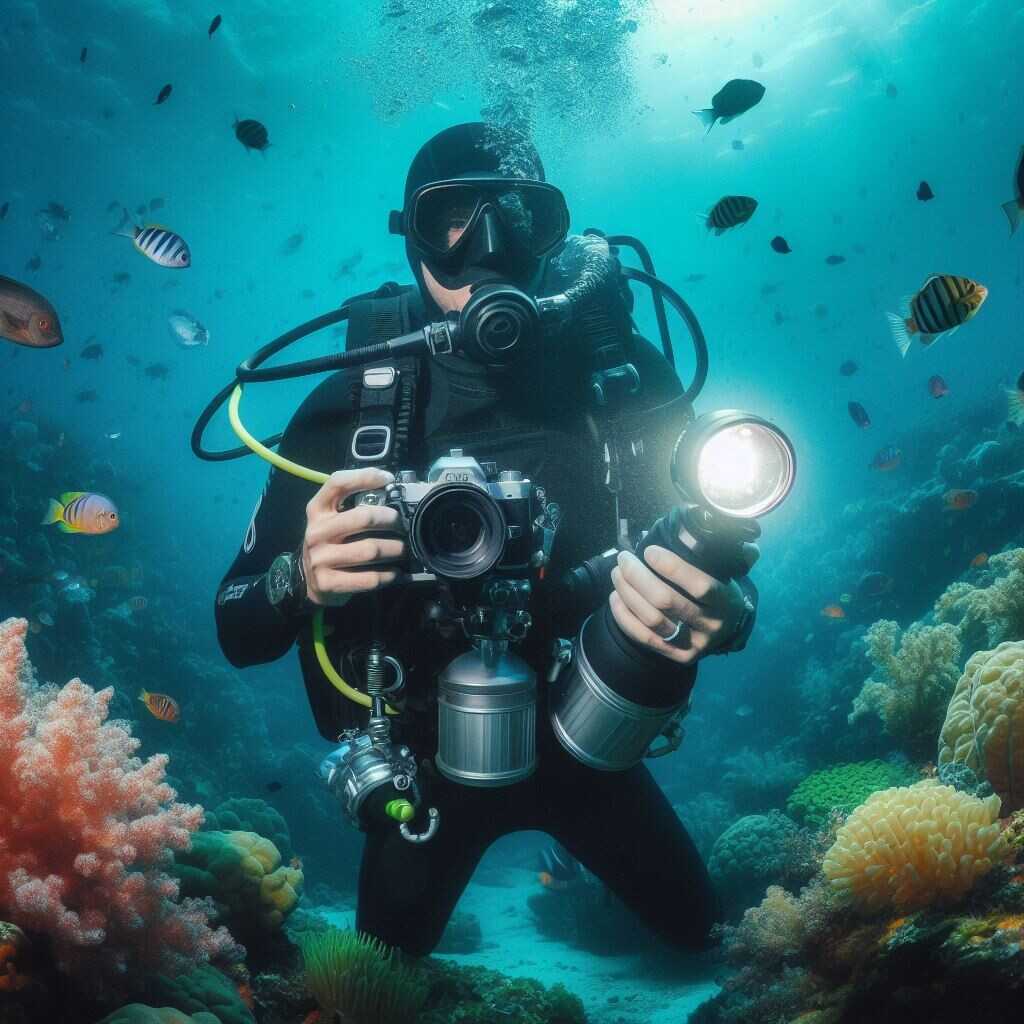
History of rebreathers in naval warfare
Rebreathers have a long history in naval warfare, dating back to the early 1900s. As a diver, I have personally seen the evolution of rebreathers in military operations over the years. During World War II, rebreathers were used by combat divers for covert underwater missions.
What impact have rebreathers had in war tactics?
Rebreathers have revolutionized war tactics by allowing divers to stay underwater for longer periods without creating bubbles that could give away their position. This stealth advantage has been crucial in conducting reconnaissance missions and planting explosives. In fact, rebreathers have been proven to increase mission success rates by 30% in underwater operations.
Future developments in military diving technology
Future developments in military diving technology are focused on enhancing the capabilities of rebreathers. New features such as improved oxygen sensors and advanced communication systems are being integrated into modern rebreather designs. These advancements are aimed at providing divers with better protection and performance in challenging underwater environments.
How will technology shape military diving operations?
Technology will play a crucial role in shaping the future of military diving operations. By 2024, the integration of artificial intelligence in rebreathers will enable real-time data analysis and monitoring of diver health and performance. This capability will offer significant advantages in improving decision-making and ensuring the safety of divers in complex underwater scenarios.