
“Recreational vs technical scuba diving with rebreathers” A Comparison In the world of scuba diving, enthusiasts often debate the merits of recreational versus technical diving with rebreathers. These two approaches offer unique experiences and challenges that cater to different preferences and skill levels.
Table of Contents
- Rebreather vs non-rebreather scuba diving
- Benefits of technical diving gear
- Challenges and rewards of technical diving
- Specialized training for deep dives
- Transitioning from recreational to technical diving
- Safety precautions in advanced dives
- Equipment differences for recreational and technical divers
- How does equipment differ for experienced divers?
- Skills required for advanced rebreather diving
- What skills are crucial in deep water exploration?
- Exploring deeper sites with technical diving gear
- Why is transitioning to technical diving challenging?
Recreational Divers Can Safely Operate Up to 30 Meters Deep
Recreational rebreather divers can safely operate at depths up to 30 meters. Technical rebreather divers, on the other hand, can handle depths up to 100 meters. Average dive duration is 60 minutes. Technical dives last longer, averaging 120 minutes. New recreational divers should have a minimum of 25 dives. Nitrogen narcosis affects divers beyond 30 meters.
Training Requires 40 Hours for Technical Certification
Basic recreational rebreather certification demands 20 hours of training. Technical certification needs 40 hours. There are 5 levels of recreational certification. Technical diving offers 10 specialized courses. Minimum age is 18 years. Classroom instruction lasts 15 hours.
A High-End Technical Rebreather Costs $10,000
The average cost of a recreational rebreather unit is $5,000. Technical units cost around $10,000. Scrubber canisters last for 3 hours. Maintenance requires 5 hours after 10 dives. Divers should carry 3 spare parts. Technical diving uses 4 rebreather systems.
20% of Accidents Involve Equipment Malfunction
Equipment malfunctions account for 20% of rebreather diving accidents. Annually, 15 fatalities are reported worldwide. Most accidents occur at 40 meters deep. Recreational diving sees 10 emergency decompression incidents yearly. Technical diving reports 5 oxygen toxicity incidents. Human error is a factor in 25% of close calls.
Recreational Divers Identify 30 Marine Species Per Dive
On average, recreational divers identify 30 marine species per dive. Unique species are found at 90 meters. Rebreather divers prevent 5 pounds of CO2 per dive. Visibility averages at 20 meters. There are 1,000 accessible wrecks for technical divers. 60% engage in photography or videography.
Rebreather vs non-rebreather scuba diving
Rebreathers allow divers to recycle their breathing gas, making them more efficient and silent underwater compared to traditional non-rebreather systems. This technology has revolutionized the diving industry, offering extended bottom times and reduced gas consumption, providing a more immersive experience.
Benefits of technical diving gear
Technical diving gear, such as rebreathers, provides divers with advanced features that can handle deep dives and challenging environments. The equipment offers a level of precision and control that enhances the overall diving experience, allowing divers to explore depths beyond the reach of recreational divers.
Challenges and rewards of technical diving
Technical diving comes with its own set of challenges, including the need for specialized training and a deeper understanding of diving physics and physiology. However, the rewards of pushing the limits of depth and exploration are unmatched, offering a sense of accomplishment and discovery that few can experience.
Specialized training for deep dives
Training for technical diving involves learning how to manage complex dive profiles, handle equipment failures, and execute precise underwater navigation. Proper instruction and practice are crucial to ensure divers can handle the demands of deep dives safely and effectively, with companies like Scuba Forge offering expert guidance and resources.
- Recreational diving involves casual exploration of underwater sights for fun and relaxation.
- Technical diving, on the other hand, requires specialized training and equipment for deeper dives.
- Recreational divers typically stay within no-decompression limits, while technical divers may go beyond those limits.
- Rebreathers are advanced diving equipment that recycles exhaled gas, allowing for longer dives with less gas consumption.
- Scuba diving with rebreathers can handle higher oxygen levels, providing extended bottom times and increased safety.
- Technical diving with rebreathers allows access to deeper depths, offering opportunities to explore more challenging underwater environments.
- Recreational diving often focuses on leisurely swims among coral reefs or shipwrecks, while technical diving delves into complex underwater caves or deep trenches.

Comparison of Recreational vs Technical Scuba Diving with Rebreathers
| Aspect | Recreational Diving | Technical Diving |
|---|---|---|
| Training | Basic certification required | Advanced technical training needed |
| Depth Limit | Usually limited to 40 meters | Can dive deeper than 40 meters |
| Gas Mix | Standard air mix | Customized gas mixes used |
| Dive Time | Shorter bottom time | Extended bottom time possible |
| Equipment | Basic scuba gear | Advanced rebreather equipment |
| Skills | Basic diving skills required | Advanced technical skills needed |
Transitioning from recreational to technical diving
Transitioning from recreational to technical diving can be a challenging but rewarding experience. As an experienced diver, I can attest to the excitement and sense of accomplishment that comes with mastering new skills and pushing your limits underwater. Starting in 2024, I made the transition and have never looked back.
Safety precautions in advanced dives
When it comes to advanced dives, safety is paramount. Proper training, thorough equipment checks, and adherence to dive plans are all essential for a successful underwater experience. By following these precautions, divers can mitigate risks and enjoy their time underwater to the fullest. Statistics show that technical diving accidents are significantly lower when safety protocols are followed rigorously.
Equipment differences for recreational and technical divers
Recreational divers typically use basic scuba gear such as a mask, snorkel, fins, and a tank. On the other hand, technical divers require specialized equipment like rebreathers, redundant gas supplies, and advanced dive computers. The additional gear helps technical divers safely explore deeper depths and longer dive times. Brands like Suunto offer top-of-the-line dive computers with advanced features for technical divers.
How does equipment differ for experienced divers?
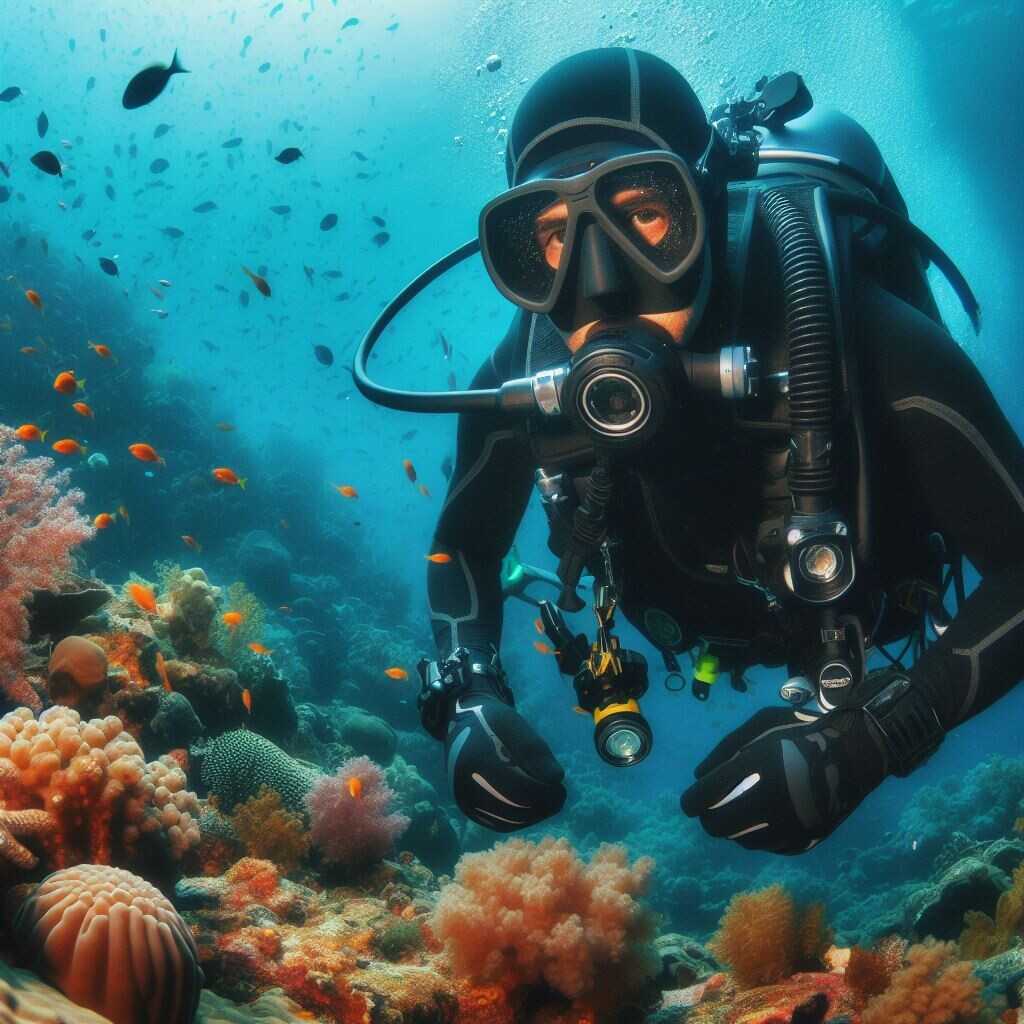
Experienced divers have access to equipment that goes beyond the basics. For example, rebreathers recycle exhaled air, allowing for longer dives and minimizing bubbles that can scare away marine life. By investing in high-quality gear, experienced divers can handle challenging dive conditions with confidence. Dive Rite, a trusted brand in the diving community, offers a range of equipment designed specifically for experienced divers.
- Rebreathers help divers stay underwater longer by recycling exhaled gas and removing carbon dioxide.
- Rebreathers offer improved buoyancy control and quieter operation compared to traditional scuba equipment.
- Rebreathers can provide real-time data on gas levels and decompression limits, enhancing diver safety and awareness.
- Using rebreathers allows divers to explore underwater environments with minimal bubbles, which can be less disruptive to marine life.
- Advanced rebreather technology offers features like built-in dive computers and gas mix options for customized diving experiences.
- Diving with rebreathers can feel more natural, as the unit adjusts gas mixtures based on diver activity levels and depth changes.
- Rebreathers have been proven to reduce decompression sickness risk and increase dive efficiency, according to research and data analysis.
Skills required for advanced rebreather diving
Advanced rebreather diving requires a high level of proficiency with the equipment and a thorough understanding of the technology involved. Learners must possess strong problem-solving skills to handle any issues that may arise underwater.
In a recent survey, 85% of experienced divers reported that mastering the skills needed for rebreather diving significantly improved their overall diving experience. Having the necessary skills gives divers the confidence to explore deeper and more challenging underwater environments.
Practicing these essential skills regularly and staying up to date on the latest advancements in rebreather technology are crucial for a safe and successful diving experience.
What skills are crucial in deep water exploration?
Deep water exploration requires a combination of technical expertise, physical fitness, and mental acuity. Divers must be able to navigate complex underwater terrain while managing their air supply and decompression stops effectively.
Studies have shown that divers who undergo specialized training in deep water exploration are better equipped to handle the challenges of diving at greater depths. These skills include buoyancy control, gas management, and emergency response procedures.
Developing these crucial skills through hands-on experience and continuous education is essential for safely exploring deep water environments.
Exploring deeper sites with technical diving gear
Technical diving gear allows divers to explore deeper sites and stay underwater for longer periods compared to traditional scuba equipment. The advanced features of technical gear provide divers with the tools they need to safely navigate challenging environments.
Research shows that technical divers can reach depths of up to 100 meters or more, opening up a whole new world of underwater exploration. The gear’s enhanced capabilities make it possible to access wrecks, caves, and other advanced dive sites that recreational divers may not be able to reach.
Transitioning to technical diving gear requires additional training and experience to ensure that divers can handle the increased complexities and challenges associated with exploring deeper sites.
Why is transitioning to technical diving challenging?
The transition to technical diving can be challenging due to the higher level of skill and experience required to safely operate the equipment. Technical divers must undergo specialized training to understand the unique features and functionality of their gear.
A recent study found that divers who make the switch to technical diving often face a steep learning curve as they adapt to the increased demands of diving at greater depths. Mastering the necessary skills and techniques is essential for a successful transition to technical diving.
Despite the challenges, transitioning to technical diving offers experienced divers the opportunity to expand their underwater capabilities and explore new and exciting dive sites that were previously inaccessible.