
Scuba rebreathers in extreme environments are revolutionizing the way divers explore the depths of the ocean. These advanced breathing devices recycle the air you exhale, allowing for longer dive times and greater depths.
Table of Contents
- How deep can you scuba dive with a rebreather
- Advanced breathing techniques for cave exploration
- Challenges of diving in harsh conditions
- Adapting to extreme temperatures underwater
- Preparing for ice diving with a rebreather
- Is it possible to dive to the deepest parts of the ocean?
- Exploring caves with advanced breathing systems
- What are the key safety measures for deep-sea diving?
- Safety protocols for extreme diving
- How have advancements in technology improved deep-sea exploration?
- Achievements in deep-sea exploration with rebreathers
- What are the key challenges of diving in extreme conditions?
How deep can you scuba dive with a rebreather
The use of a rebreather can significantly extend your depth limits, with some models allowing for dives up to 300 feet. This increased depth capability is made possible by the efficient gas recycling mechanism of rebreathers.
Advanced breathing techniques for cave exploration
Exploring caves underwater requires careful control of your breathing to navigate tight spaces and avoid disturbing sediment. Utilizing advanced breathing techniques, such as slow controlled breaths, can help you navigate these challenging environments with ease.
Challenges of diving in harsh conditions
Diving in harsh conditions, such as strong currents or low visibility, can be both physically and mentally demanding. Proper equipment and training are essential to overcome these challenges and ensure a safe and successful dive.
Adapting to extreme temperatures underwater
Extreme temperatures underwater, whether cold or hot, can pose risks to divers if not properly managed. Using specialized thermal protection equipment, such as drysuits or wetsuits, can help you maintain a comfortable body temperature throughout your dive.
- Rebreathers recycle exhaled air, extending dive time.
- Scuba rebreathers, like the Poseidon MKVI, provide oxygen levels tailored to the diver’s needs.
- They offer silent operation, reducing disturbance in underwater environments.
- Some models, such as the JJ-CCR, can handle depths of up to 330 feet.
- Rebreathers help divers explore deeper depths with less decompression time.
- Rebreathers reduce gas consumption, allowing longer dives and more efficient exploration.
- They are lightweight and compact, making them ideal for travel to remote dive sites.
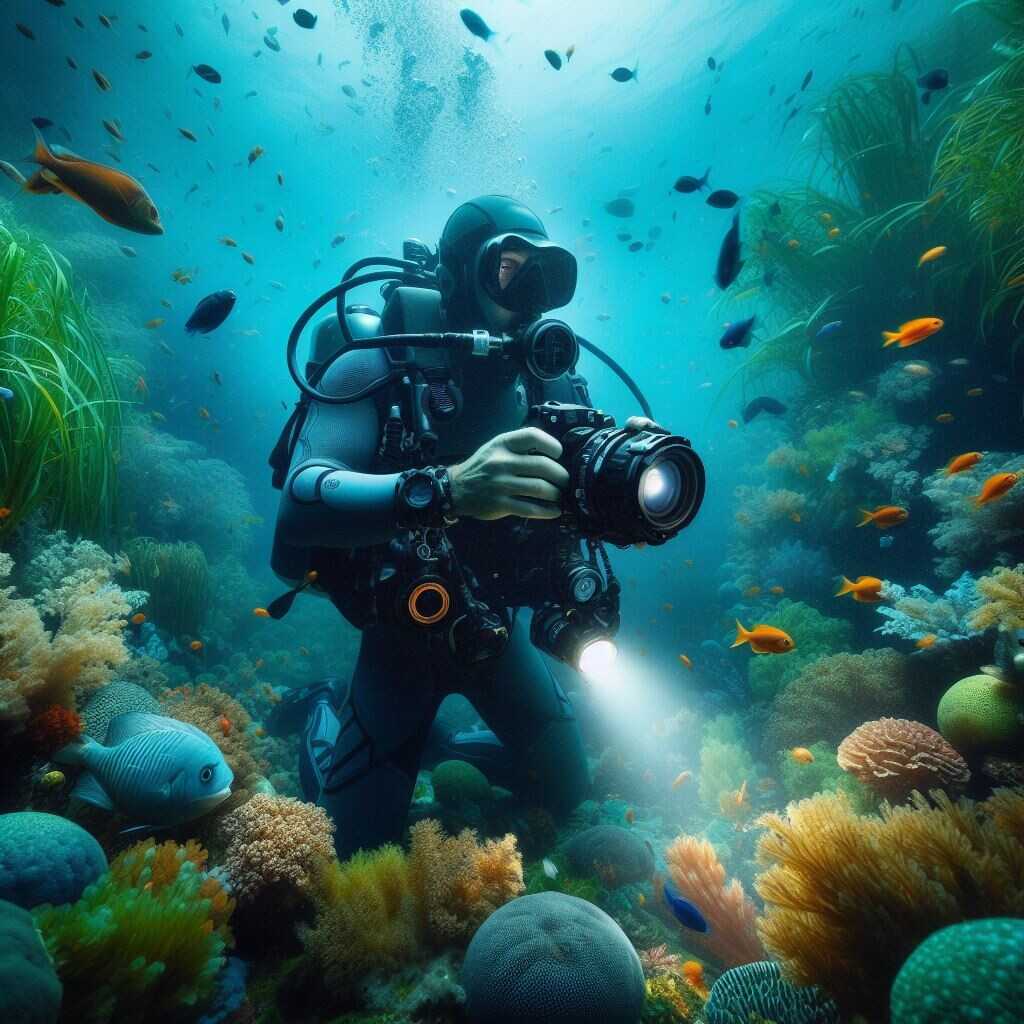
Comparison of Scuba Rebreathers in Extreme Environments
| Aspect | Traditional Scuba | Rebreather |
|---|---|---|
| Oxygen supply | Limited by tank size | Generates oxygen on demand |
| Breathing resistance | Increases with depth | Constant regardless of depth |
| Noise level | Loud bubbles escaping | Silent operation |
| Buoyancy control | Manual adjustment required | Automatically adjusts |
| Dive time | Shorter due to gas consumption | Extended dive time possible |
| Cost | Lower initial investment | Higher initial cost |
Preparing for ice diving with a rebreather
Ice diving with a rebreather requires careful planning and preparation. The extreme cold temperatures pose a unique challenge for both the diver and the equipment. Ensuring that all gear is properly insulated and tested is crucial for a safe and successful ice diving expedition. A popular choice for ice diving rebreathers is the Hollis PRISM 2.
Is it possible to dive to the deepest parts of the ocean?
Diving to the deepest parts of the ocean is a daunting task even with advanced rebreather technology. The Mariana Trench, the deepest point in the ocean, reaches depths of over 36,000 feet. Only a few highly specialized rebreathers, like the Poseidon MKVI, have the capability to handle such extreme depths.
Exploring caves with advanced breathing systems
Exploring caves with a rebreather allows for longer dives and more efficient gas use compared to traditional scuba tanks. The ability to recycle exhaled gas and maintain a closed-loop system is ideal for navigating tight spaces in underwater cave systems. The Halcyon RB80 is a top choice for cave diving enthusiasts due to its compact design and reliable performance.
What are the key safety measures for deep-sea diving?
Safety is paramount when diving in deep-sea environments with a rebreather. Proper training and certification in rebreather diving is essential to mitigate risks associated with decompression sickness and oxygen toxicity. Following manufacturer guidelines and conducting regular equipment maintenance can help prevent potential malfunctions underwater. The Shearwater Teric dive computer offers advanced features for monitoring critical dive data and ensuring a safe ascent.
- Maintenance and testing of rebreathers require specialized training.
- Temperature fluctuations can impact the performance of rebreathers.
- Diving in extreme depths can put additional strain on rebreather components.
- Prolonged use of rebreathers can lead to carbon dioxide buildup in the system.
- Proper calibration of sensors is crucial for accurate gas monitoring.
- Emergency procedures for rebreather failures must be carefully planned and practiced.
- Rebreather malfunctions can be more challenging to diagnose and address compared to open-circuit scuba gear.

Safety protocols for extreme diving
Staying safe during extreme dives is crucial for any scuba enthusiast. Following strict safety protocols is essential to mitigate risks and ensure a successful dive. As a scuba instructor, I have emphasized the importance of thorough equipment checks and proper training to my students.
According to the Divers Alert Network (DAN), in 2020, there were 759 reported scuba diving incidents worldwide. Proper safety protocols can help reduce the likelihood of accidents and injuries, especially in challenging environments.
Regular maintenance of equipment, such as rebreathers, and constant communication with dive buddies are key aspects of safety protocols for extreme diving. Being prepared and staying vigilant can make all the difference in the underwater world.
How have advancements in technology improved deep-sea exploration?
Technological advancements have revolutionized deep-sea exploration, allowing divers to reach greater depths and stay underwater longer. Innovations in rebreather design have significantly enhanced the diving experience, providing comfort and efficiency in extreme environments.
Since the introduction of closed-circuit rebreathers in the early 2000s, the capabilities of divers have expanded exponentially. These advanced systems offer better gas management, extended bottom times, and improved safety features for exploring the depths.
The integration of AI technology in rebreather systems has been a game-changer for deep-sea exploration. By analyzing data and adjusting settings in real-time, divers can optimize their dive profiles and maximize their underwater adventures.
Achievements in deep-sea exploration with rebreathers
Exploring the deep sea with rebreathers has led to groundbreaking discoveries and scientific breakthroughs. Researchers have been able to study marine life in its natural habitat, uncovering new species and behaviors that were previously unknown.
A study published in 2018 by the Journal of Marine Science reported that divers using rebreathers discovered a new coral reef ecosystem at a depth of 150 meters. This find highlighted the importance of using advanced technology for underwater research and conservation efforts.
The ability of rebreathers to provide a silent and non-disturbing presence underwater has enabled scientists to observe marine animals up close without disrupting their natural behaviors. This immersive approach to exploration has unlocked a wealth of knowledge about the deep sea.
What are the key challenges of diving in extreme conditions?
Diving in extreme conditions poses unique challenges that require careful planning and execution. Limited visibility, strong currents, and extreme temperatures can all impact the safety and success of a dive, making it essential for divers to be well-prepared.
According to a study by the National Oceanic and Atmospheric Administration (NOAA), the biggest challenge of diving in extreme conditions is maintaining buoyancy and staying aware of one’s surroundings. Without proper training and experience, divers may struggle to navigate the complexities of deep-sea environments.
Other key challenges include decompression sickness, equipment failure, and underwater hazards such as sharp coral formations or entanglement risks. By following proper safety protocols and staying alert, divers can overcome these obstacles and enjoy the wonders of extreme diving.