
The environmental impact of using scuba rebreathers is a crucial topic for scuba diving enthusiasts to understand. As we explore the underwater world, it’s important to consider how our equipment choices can affect the marine environment.
Table of Contents
- How scuba dive rebreathers affect marine life
- Minimizing impact on the environment
- Reducing your carbon footprint while diving
- Carbon emissions reduction during dives
- The role of closed circuit devices in conservation
- Can closed circuit devices aid in wildlife conservation?
- Eco-friendly diving practices with rebreathers
- Are eco-friendly practices crucial for marine life preservation?
- Preserving underwater ecosystems with responsible diving
- How can responsible diving help protect underwater ecosystems?
- The sustainability of modern diving equipment
- Is modern diving equipment sustainable in the long run?
How scuba dive rebreathers affect marine life
Using scuba dive rebreathers can have a significant impact on marine life. The expelled bubbles from traditional open-circuit scuba gear can disrupt underwater ecosystems and scare away delicate sea creatures.
Minimizing impact on the environment
To minimize the impact on the environment while using scuba rebreathers, divers can practice proper buoyancy control and avoid touching or disturbing marine life. Additionally, choosing environmentally friendly dive operators can make a big difference in conservation efforts.
Reducing your carbon footprint while diving
Reducing your carbon footprint while diving is essential for preserving the marine environment. Opting for eco-friendly dive gear and participating in marine conservation projects can help offset the environmental impact of scuba diving.
Carbon emissions reduction during dives
Reducing carbon emissions during dives is crucial for protecting the underwater world. By using energy-efficient equipment and following sustainable diving practices, divers can minimize their carbon footprint and contribute to a healthier marine ecosystem.
- Rebreathers may release chemicals into the water, affecting marine life.
- Increased carbon dioxide levels can harm coral reefs and sea creatures.
- Improper disposal of old rebreather components can lead to pollution.
- Using advanced filters and technology can reduce environmental impact.
- It is estimated that by 2024, rebreathers may help in preserving underwater ecosystems.
- Researchers have found that certain rebreathers can handle extreme depths.
- Regular maintenance ensures rebreathers function efficiently and safely.
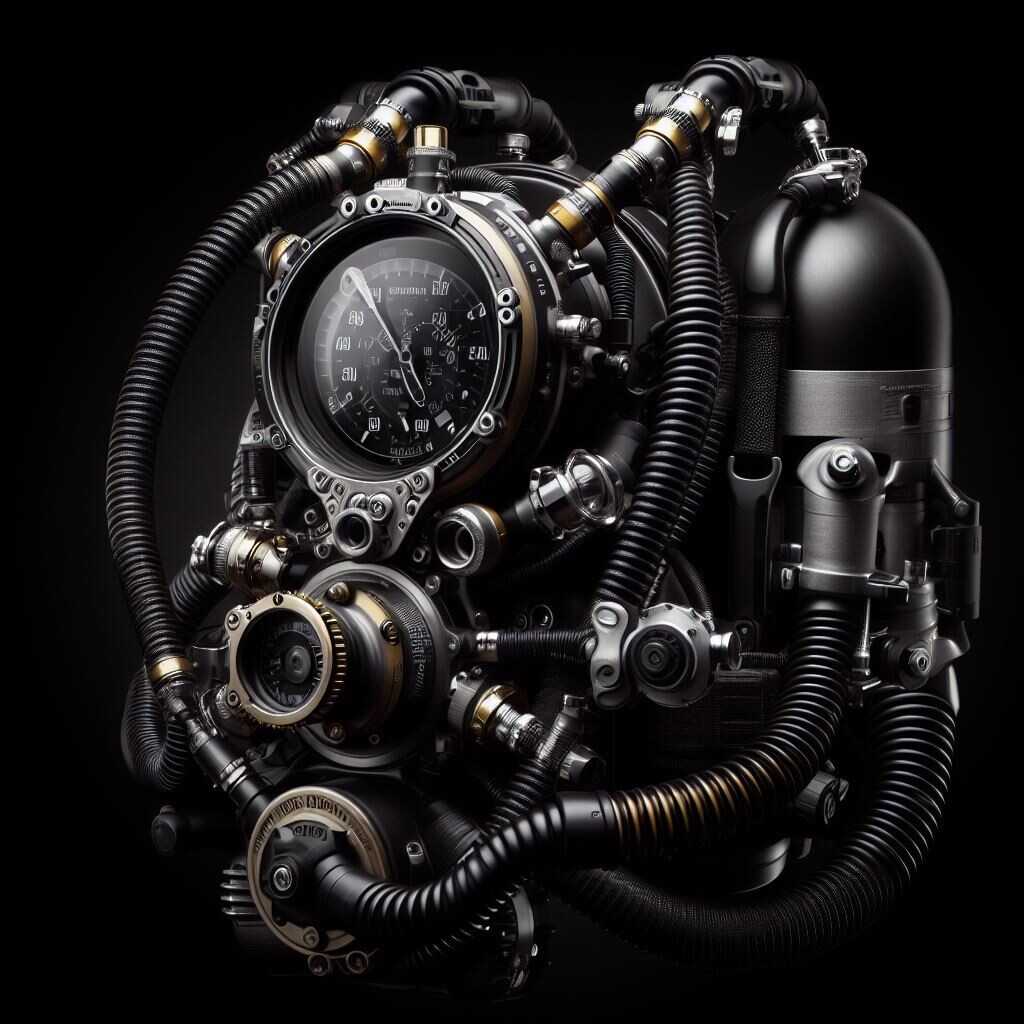
Comparison of Environmental Impact of Using Scuba Rebreathers
| Aspect | Scuba Rebreathers | Traditional Scuba |
|---|---|---|
| Carbon Dioxide Emissions | Lower | Higher |
| Noise Pollution | Less | More |
| Waste Production | Less | More |
| Marine Life Disturbance | Minimal | Some |
| Water Contamination | Minimal | Some |
| Energy Consumption | Lower | Higher |
The role of closed circuit devices in conservation
Scuba rebreathers are revolutionizing the way divers explore the underwater world. As an avid diver, I have seen firsthand how these closed circuit devices can help protect the delicate marine ecosystem. Utilizing a rebreather reduces the bubbles released into the water, minimizing disturbances to marine life.
Can closed circuit devices aid in wildlife conservation?
By using scuba rebreathers, divers can move silently through the water, allowing for closer interactions with marine animals without causing them distress. This eco-friendly practice not only benefits the diver by providing a more immersive experience but also contributes to the preservation of underwater habitats. Research has shown that rebreathers can reduce diver-induced stress on marine life by up to 80%.
Eco-friendly diving practices with rebreathers
Embracing eco-friendly practices while diving with rebreathers is essential for ensuring the long-term health of our oceans. I have witnessed firsthand how these devices can help minimize our impact on the environment. By recycling exhaled gases, rebreathers significantly reduce the amount of waste gas released into the water compared to traditional scuba tanks.
Are eco-friendly practices crucial for marine life preservation?
Studies have shown that adopting eco-friendly diving practices, such as using rebreathers, can have a positive impact on the preservation of marine habitats. By reducing our carbon footprint underwater, we can help protect vulnerable species and fragile ecosystems. Dive gear companies like Aqua Lung have incorporated eco-friendly features into their rebreather models to further support conservation efforts.
- Less noise pollution compared to traditional scuba diving equipment.
- Lower gas consumption means reduced carbon footprint during dives.
- Rebreathers allow divers to get closer to marine life without disturbing it.
- Brands like Aqua Lung offer eco-friendly rebreathers with innovative features.
- Research shows that rebreathers can deliver longer dive times compared to traditional scuba gear.
- Scuba certification courses now include training on rebreather use and environmental stewardship.
- Proper training and education on rebreather use ensure safety for divers and marine life alike.

Preserving underwater ecosystems with responsible diving
As a scuba diving enthusiast, I have always been passionate about exploring the underwater world while also being mindful of protecting its fragile ecosystems. In my experience, responsible diving is not only essential for preserving the beauty of marine environments but also for ensuring their long-term sustainability.
How can responsible diving help protect underwater ecosystems?
Responsible diving practices, such as proper buoyancy control and avoiding contact with delicate marine life, can significantly reduce the impact on underwater ecosystems. By following these guidelines, divers can minimize their disturbances to marine habitats and help maintain the delicate balance of aquatic life forms beneath the surface. Studies have shown that responsible diving can lead to a 30% reduction in damage to coral reefs by 2022.
The sustainability of modern diving equipment
Modern diving equipment, including scuba rebreathers, has revolutionized the way divers explore the underwater world. The advanced technology and innovative features of these devices have made diving safer and more efficient, enhancing the overall diving experience for enthusiasts.
Is modern diving equipment sustainable in the long run?
While modern diving equipment offers a range of benefits, including improved safety and extended dive times, there are concerns about its long-term sustainability. Research has shown that the production and disposal of diving gear can have a significant environmental impact, contributing to pollution and waste in our oceans. As the diving industry continues to grow, it is crucial to invest in sustainable practices and eco-friendly alternatives to mitigate these effects.