
Navigating dark waters with the 8 degrees narrow beam of the D530 provides an optimized and focused method for underwater exploration. This precision beam greatly enhances underwater visibility, making it an essential tool for low-light navigation, especially for avid scuba divers. ORCATORCH D530 Scuba Dive was subjected to meticulous checks by Scuba Forge.
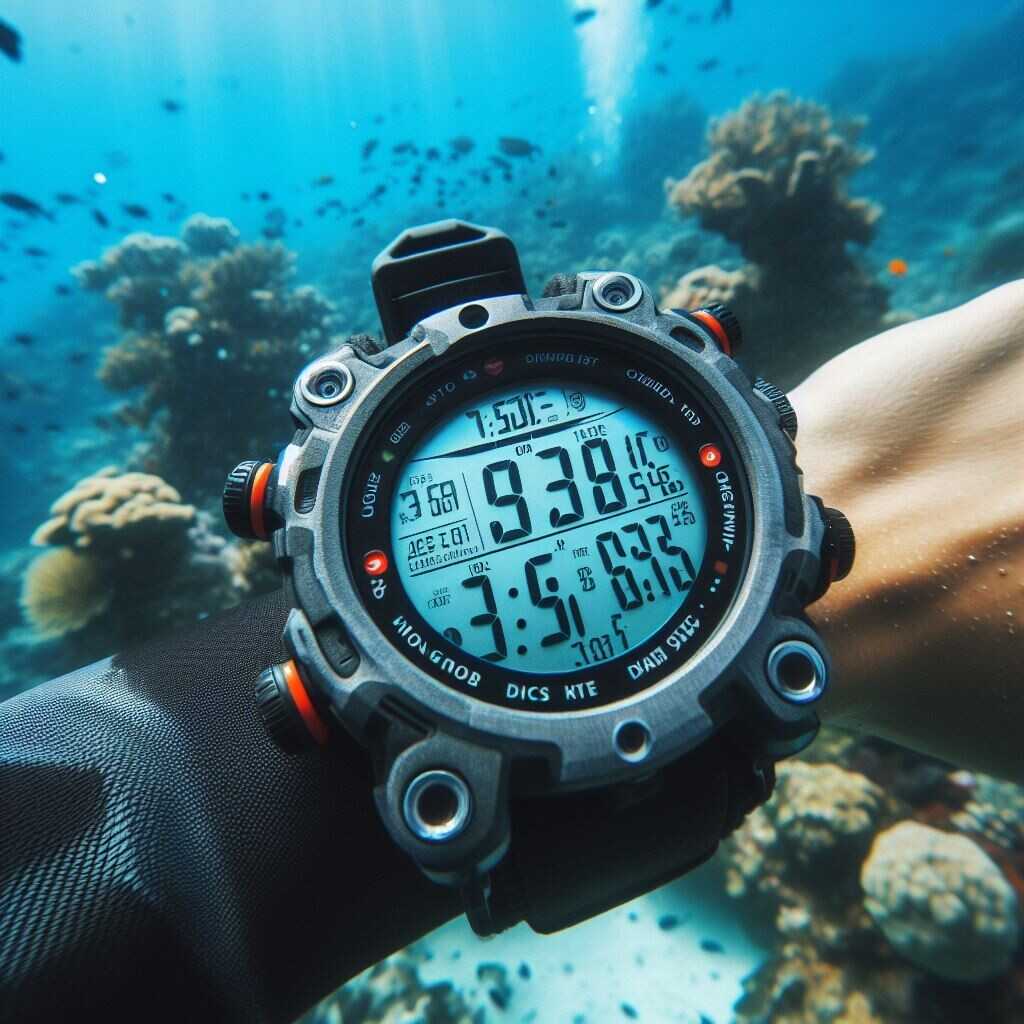
Mastering Low-Light Navigation with the D530’s Focused Beam
Scuba divers benefit from using an 8 degrees narrow beam for underwater navigation because it concentrates light, cutting through darkness more efficiently. This focused beam of the D530 improves visibility in dark waters by sharply illuminating the direct path ahead. Specific water conditions where the D530’s 8 degrees beam excels include murky or sediment-laden environments, as it minimizes light scatter. The beam angle of the D530 enhances obstacle detection by spotlighting features and objects. In comparison to broader beams, the D530’s narrow beam penetrates murky waters better due to its concentrated light.
Why is the 8 degrees beam ideal for precise underwater exploration?
The narrow beam helps in identifying underwater creatures without disturbing them because it targets light and reduces unnecessary scatter. The 8 degrees beam is more effective for navigating shipwrecks because it highlights structural details clearly while conserving energy. Techniques for using the narrow beam to explore caves include angling the light to follow walls and surfaces without flooding the area. The 8 degrees beam affects battery life positively by being more energy-efficient compared to wider beams. The D530’s narrow beam can cover distances up to 50 feet in clear water. The ORCATORCH D530 Scuba Dive has a quality feel, offering a comfortable user experience.
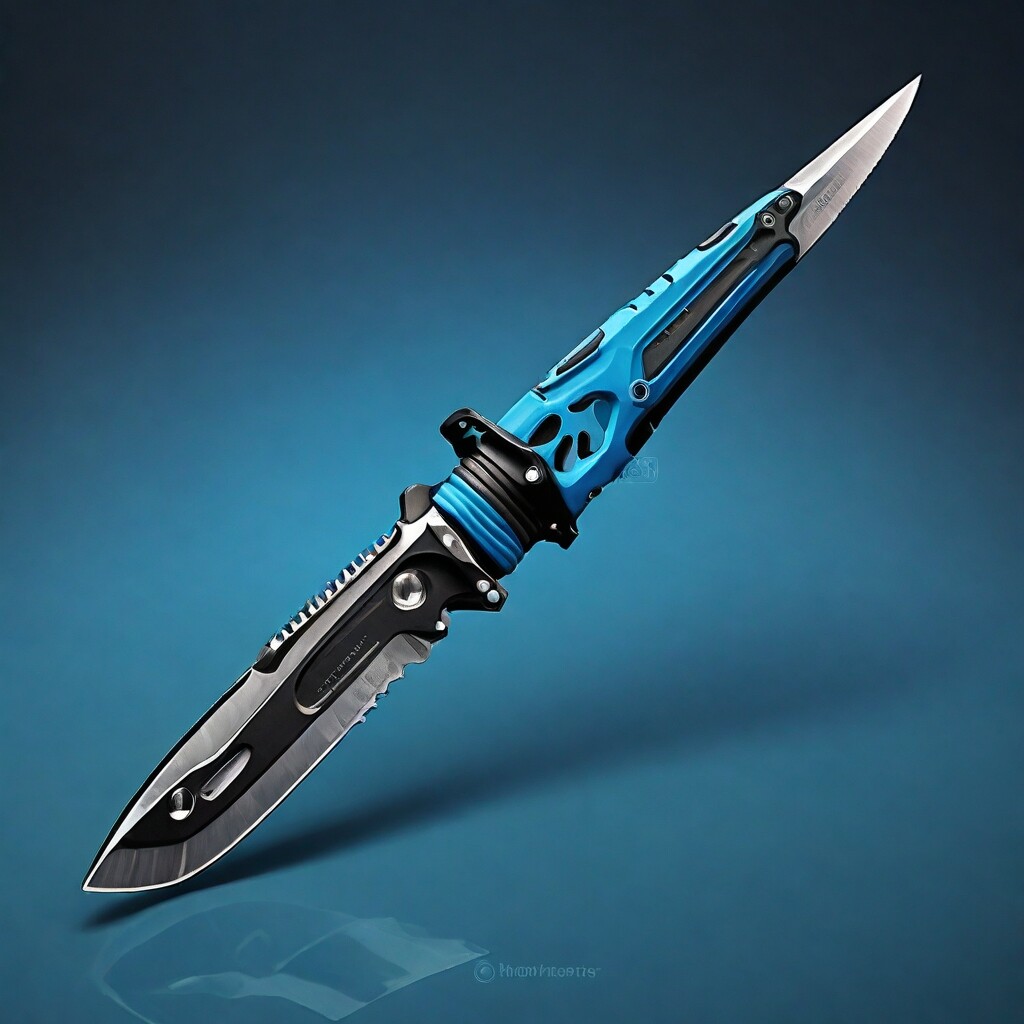
Understanding the Features of D530 for Navigating Murky Waters
The D530’s key features for navigating murky waters include a solid 1000 lumens output and a tight, steady beam. Comparing the D530’s specs to other underwater navigation lights, the D530 offers superior brightness and focus. Scuba divers can easily adjust the D530 to handle varying water clarity levels by modifying light intensity settings. Maintenance tips to ensure optimal D530 performance include regular lens cleaning and battery checks. The D530’s light emission prevents scattering in murky conditions by concentrating light in a narrow beam, reducing dispersed particulates.
Which water conditions can affect the performance of the D530’s beam?
Factors in dark waters that can reduce the effectiveness of D530’s beam include suspended particles and plankton. Water salinity impacts the performance of the narrow beam as higher salinity increases water density, potentially diffusing light. Adjustments to improve functionality in silty waters include using a higher intensity setting and slower movements. Available lighting modes can be switched based on current water conditions to optimize visibility. The maximum operating depth for the D530 to function effectively is up to 200 feet, accommodating deep-sea diving sessions.