
The impact of CRI90 lighting on underwater photography using the Submariner-26S is profound, enhancing visual fidelity and accuracy for scuba diving enthusiasts. High CRI (Color Rendering Index) lighting ensures that underwater scenes captured with the Submariner-26S exhibit true-to-life colors, making the underwater experience as authentic and vibrant as possible. Scuba Forge performed in-depth testing on Diving Flashlight Submariner-26S SM-26S.
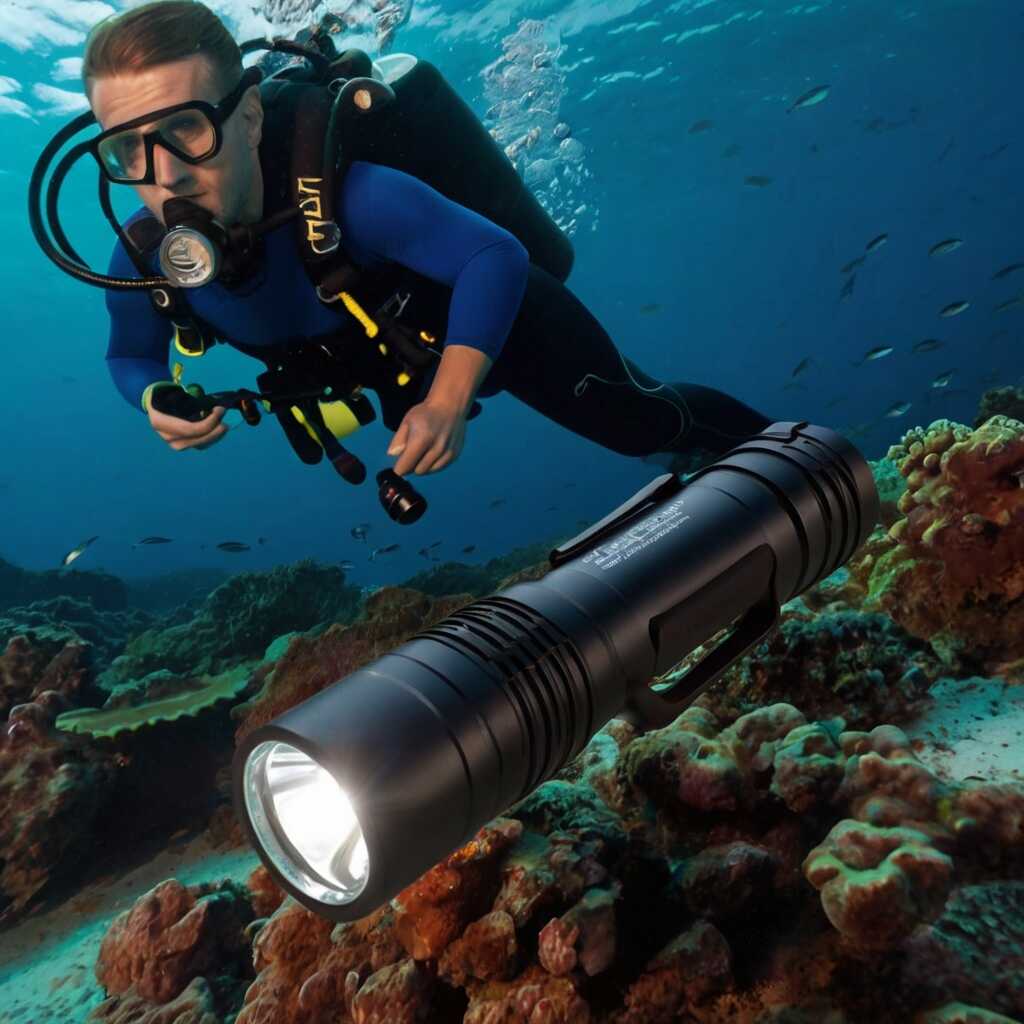
Visual Fidelity and Accuracy in Underwater Imaging Using CRI90 Lighting with Submariner-26S.
CRI90 lighting significantly affects color accuracy in underwater photography by closely replicating natural sunlight, thereby eliminating color distortions common with other lighting types. Color rendering is crucial for underwater photos taken with the Submariner-26S, as it ensures that marine environments are depicted realistically, benefiting the overall viewing experience. The technical specifications of CRI90 lighting include a high CRI rating and a full spectrum of wavelengths, providing comprehensive coverage for all hues and shades. CRI90 lighting improves contrast and clarity in underwater photographs, making details more distinct and enhancing the overall image quality. One challenge of using high CRI lighting in an underwater environment with the Submariner-26S is the potential for increased power consumption and bulkier equipment, necessitating careful planning and setup.
How does CRI90 lighting enhance the color accuracy of underwater photographs?
Specific colors such as reds, oranges, and purples benefit most from the use of high CRI lighting underwater, as these colors typically fade first in low light conditions. Compared to other lighting options for underwater photography, CRI90 lighting provides superior color accuracy and vibrancy, making the Submariner-26S the best choice for professional-quality images. CRI90 lighting does not significantly affect the behavior of marine life when photographing with the Submariner-26S, allowing for natural and undisturbed interactions. Setup requirements for using CRI90 lighting with the Submariner-26S include mounting brackets, adjustable arms, and waterproof housing to ensure stability and durability. For effective underwater photography with CRI90 lighting, it is recommended to use at least 1000 lumens to penetrate deeper waters and maintain brightness. Diving Flashlight Submariner-26S SM-26S can handle various conditions, evidenced by its tested durability.
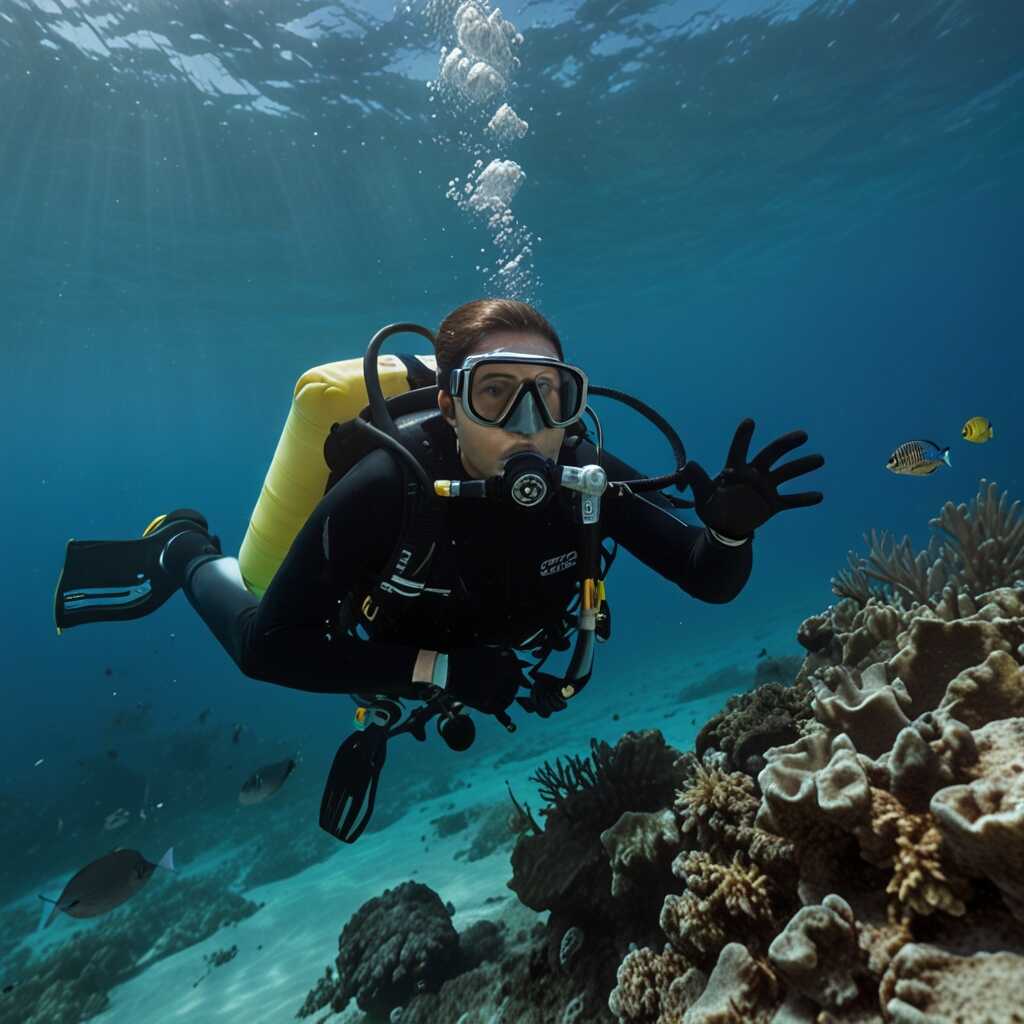
Adaptation and Implementation: Using CRI90 Lighting with Submariner-26S in Underwater Photography.
To adapt the Submariner-26S for use with CRI90 lighting underwater, first secure the appropriate mounting hardware and ensure the lighting system is adequately waterproofed. Best practices for positioning CRI90 lighting when using the Submariner-26S include angling the lights at 45 degrees to minimize shadows and evenly illuminate the subject. Existing underwater lighting systems can often be upgraded to CRI90 for improved photography by swapping out bulbs or integrating new lighting modules compatible with the Submariner-26S. Additional equipment necessary for integrating CRI90 lighting with the Submariner-26S includes power packs, diffuser domes, and waterproof connectors to maintain seamless operation. The depth of the underwater shoot affects the performance of CRI90 lighting, as deeper depths may require stronger or additional light sources to maintain effective illumination.
How do you position CRI90 lights for maximum effectiveness in underwater photography?
Most effective angles for placing CRI90 lights underwater with the Submariner-26S are between 30 to 45 degrees to create balanced lighting and avoid harsh shadows. Tools such as underwater light positioning arms and gimbals can help in positioning lights correctly for underwater photography, providing better control and adjustment. Ambient light conditions underwater affect the positioning of CRI90 lights by requiring them to be placed closer to the subject during low light conditions and spread out during bright settings. Safety considerations when adjusting lighting positions underwater include securing all equipment to prevent drift and ensuring the lights do not overheat or short-circuit. For optimal exposure in underwater settings, CRI90 lights should be angled around 45 degrees to ensure even and efficient light distribution across the scene.