
The Shearwater Peregrine dive computer can be an exceptional tool for divers using both Air and Nitrox, as it offers specialized modes tailored for each gas type. Diving enthusiasts looking to maximize their underwater experience while ensuring safety can benefit from understanding the intricate capabilities and settings of the Shearwater Peregrine. This article breaks down the key functionalities, safety features, and customization options available for both Air and Nitrox dive modes, providing practical advice and granular specifics to help divers get the most out of their Shearwater Peregrine. A series of tests were systematically completed on Shearwater Research Peregrine 16001-02 by Scuba Forge.
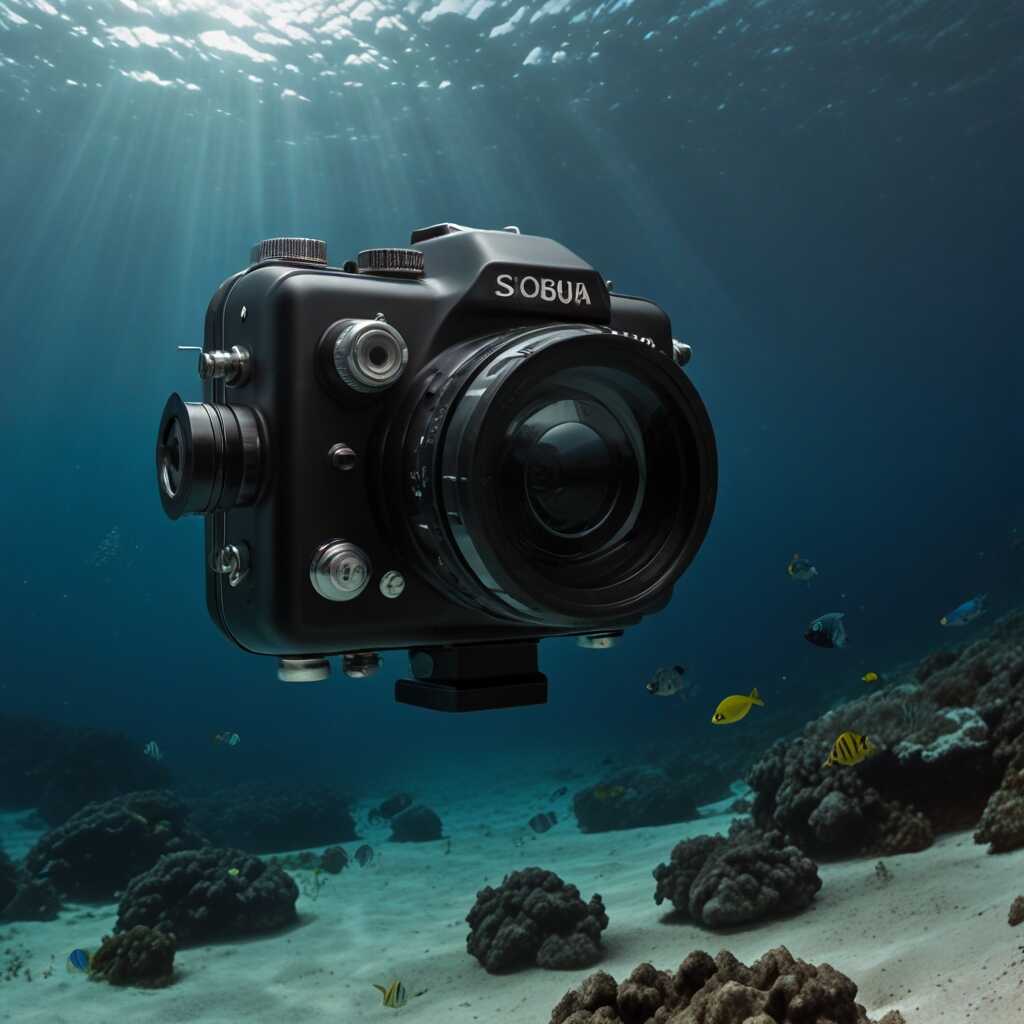
Understanding Shearwater Peregrine’s Dive Modes for Air and Nitrox Use
The primary differences between Air and Nitrox modes on the Shearwater Peregrine involve the gas mixture calculations for dive profiles and decompression planning. While Air mode uses a standard 21% oxygen mix, Nitrox can range from 22-40% oxygen, requiring adjustments in dive planning. The Peregrine calculates Nitrox dive profiles by adjusting the oxygen exposure limits and modifying the decompression algorithm based on the specific Nitrox mix. Switching between Air and Nitrox modes mid-dive is not recommended because it could lead to inaccurate calculations and potential safety hazards. Safety precautions when using Shearwater Peregrine in Nitrox mode include ensuring correct gas mix settings and monitoring the maximum partial pressure of oxygen (PPO2). Customizing settings for specific dive conditions is possible, such as setting personal safety margins and alarms for depth and time to cater to individual dive profiles.
How does Shearwater Peregrine determine oxygen toxicity in Nitrox mode?
Shearwater Peregrine determines oxygen toxicity by considering factors such as PPO2, exposure duration, and the diver’s depth profile. The device alerts you to dangerous oxygen toxicity levels through audible alarms and visual warnings on the screen. Adjusting settings like lower PPO2 thresholds and shorter exposure time windows helps prevent oxygen toxicity. Shearwater Peregrine can automatically adjust dive plans to mitigate oxygen toxicity by recommending shallower depths or shorter bottom times based on real-time data. The maximum partial pressure of oxygen recommended for Nitrox dives is generally set at 1.6 ATA, but many divers adopt a more conservative limit of 1.4 ATA for added safety. Shearwater Research Peregrine 16001-02 can manage regular workloads, verified through standard testing.

Maximizing Safety and Efficiency with Shearwater Peregrine for Air and Nitrox Dives
The safety features built into the Shearwater Peregrine for Nitrox diving include customizable alarms for depth, time, and gas mix, along with a sturdy construction to withstand harsh diving conditions. Optimizing decompression stops using the Shearwater Peregrine involves setting conservative factors that lengthen stop times for added safety. Pre-dive checks necessary for safe diving with the Shearwater Peregrine include verifying battery charge, updating firmware, and confirming correct settings for the planned dive. Shearwater Peregrine outperforms many other dive computers in terms of safety and efficiency by offering more adjustable parameters, a clearer screen, and robust build quality. Post-dive procedures to maintain the functionality of the Shearwater Peregrine involve rinsing the device in fresh water, checking for software updates, and reviewing dive logs for any anomalies.
How can Shearwater Peregrine help manage decompression sickness risks?
Shearwater Peregrine provides features like real-time tracking of decompression status, nitrogen loading, and tissue saturation to manage decompression sickness risks. The device alerts divers about upcoming decompression stops with bright screen notifications and audible alarms. Custom settings that enhance safety regarding decompression include adjusting ascent rates and setting additional safety stops at shallower depths. Logging and analyzing past dives to improve future decompression planning can be done through the Shearwater Cloud app, where divers can review dive profiles and gas consumption. The algorithm used by Shearwater Peregrine to calculate decompression stops is the Bühlmann ZHL-16C, which includes gradient factors for customizable conservatism in dive planning.