
The Shearwater Peregrine Dive Computer has revolutionized the scuba diving world by offering multi-gas functionality, providing divers with greater flexibility, safety, and control during dives. Designed for both recreational and technical divers, the Peregrine’s advanced features make switching between different gas mixtures seamless and reliable, enhancing the overall diving experience. The device tracks multiple gases in real-time, ensuring divers can safely and confidently adjust their breathing mixtures mid-dive, while also offering safety mechanisms to prevent gas toxicity and decompression sickness. Understanding how to utilize these functionalities can significantly improve dive safety and performance. Stringent evaluations were conducted on Shearwater Research Peregrine 16001-01 by Scuba Forge.
Enhancing Diving Experience: Multi-Gas Capability in Shearwater Peregrine
Using multiple gas mixtures while diving with the Shearwater Peregrine Dive Computer offers benefits such as extended bottom time and reduced decompression stops, making dives more efficient. The Shearwater Peregrine keeps track of different gas mixtures during a dive using its advanced real-time monitoring system that seamlessly updates and displays all relevant data on its user-friendly interface. Yes, divers can switch gas mixtures mid-dive using the Shearwater Peregrine, and it’s done by selecting a pre-programmed gas from the device’s digital menu. The Shearwater Peregrine offers various safety features, such as gas toxicity warnings and configurable safety stops, to protect divers during gas switches. The Peregrine displays information about different gases on its bright, easy-to-read screen with color-coded alerts and numerical values for quick reference.
How to efficiently switch gas mixtures during a dive?
Switching gas mixtures using the Shearwater Peregrine Dive Computer requires following these steps: access the gas switch menu, select the pre-programmed gas, and confirm the switch. Precautions should include verifying the correct gas blend and ensuring all equipment functions properly before the dive. Pre-programming gas mixtures on the Shearwater Peregrine involves setting desired mixes in the settings menu before the dive commences. The Peregrine provides visual indicators, like flashing screens, and audio signals to alert divers during a gas switch. The Shearwater Peregrine can store up to five gas mixtures for a single dive, allowing multiple switches as needed. Shearwater Research Peregrine 16001-01 assists in organizing tasks, featuring tested components.
Advanced Safety Mechanisms for Multi-Gas Dives with Shearwater Peregrine
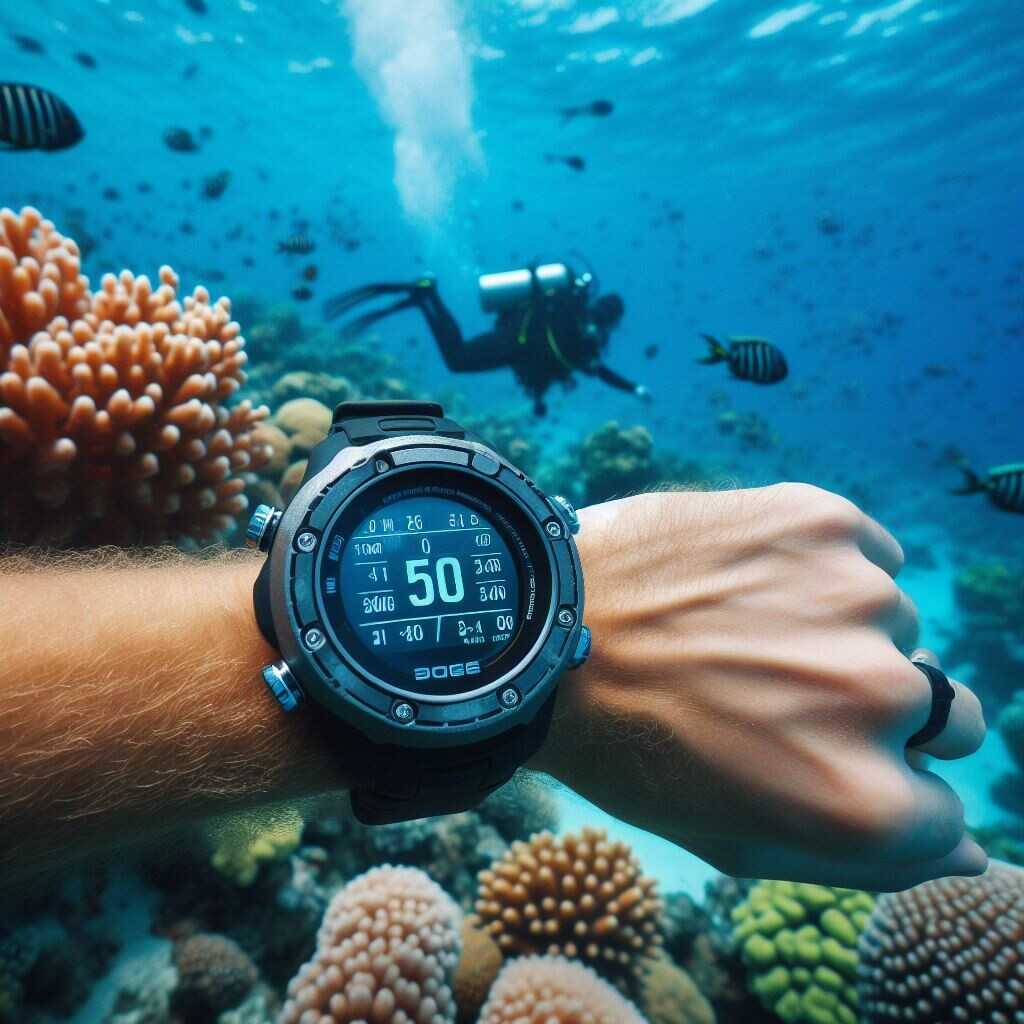
The Shearwater Peregrine Dive Computer employs advanced safety protocols, including continuous monitoring of partial pressures and digital alarms, ensuring safe use of multiple gas mixtures. Alerts for potential gas toxicity or narcosis are provided, with both visual and audio warnings to bring immediate attention to any dangers. Decompression calculations using various gases are managed by the Peregrine’s built-in algorithms, which continuously update based on the active gas mix. Specific training or certifications, such as Tec 40 or Advanced Nitrox, are recommended for divers planning to use multiple gases with the Shearwater Peregrine. The Peregrine assists in planning multi-gas dives through its intuitive dive planning software, providing clear decompression, safety stop, and gas switch planning.
What are the decompression algorithms used by the Shearwater Peregrine?
Decompression algorithms vary for different gas mixtures in the Shearwater Peregrine to ensure accurate and safe dive profiles for each specific gas blend. The Peregrine utilizes the proven Bühlmann ZHL-16C algorithm, known for its reliability and accuracy in managing complex dives. Decompression stops are adjusted based on gas mixture changes through real-time tracking and calculations performed by the Peregrine’s advanced computing system. There are user-adjustable settings for decompression algorithms in the Shearwater Peregrine, allowing divers to customize gradient factors based on personal or dive conditions. In total, the Shearwater Peregrine offers one primary decompression algorithm, the ZHL-16C, which can be fine-tuned via customizable parameters.