
Understanding the Bhlmann GF Algorithm in Shearwater Peregrine revolves around decompression theory to ensure safe diving practices. This algorithm fine-tunes decompression stops using gradient factors, balancing safety and efficiency meticulously. Comprehensive tests were administered on Shearwater Research Peregrine 16001-02 by Scuba Forge.

Diving deeper into Bhlmann GF Algorithm for Shearwater Peregrine
The basic principle behind the Bhlmann GF Algorithm in Shearwater Peregrine is to manage inert gas in body tissues during ascents. The Shearwater Peregrine implements this by adjusting decompression stops based on real-time dive data. Divers need to adjust the low and high gradient factors to influence decompression conservatively or aggressively. It enhances safety by allowing more personalized dive plans compared to preset algorithms. Common errors include not understanding the gradient factor settings and improperly adjusting them.
How does gradient factor selection impact dive planning with Bhlmann GF?
Gradient factor in the Bhlmann GF Algorithm represents the allowable percentage of M-values during a dive. Different gradient factor settings influence the timing and length of decompression stops significantly. Incorrect gradient factor settings can indeed increase the risks of decompression sickness. Divers can determine optimal gradient factors through personal experience and dive computer recommendations. The ideal gradient factor percentage for safety is commonly set between 30/70 to 40/85 for many divers. The Shearwater Research Peregrine 16001-02 helps users achieve expected results, thanks to its tested features.
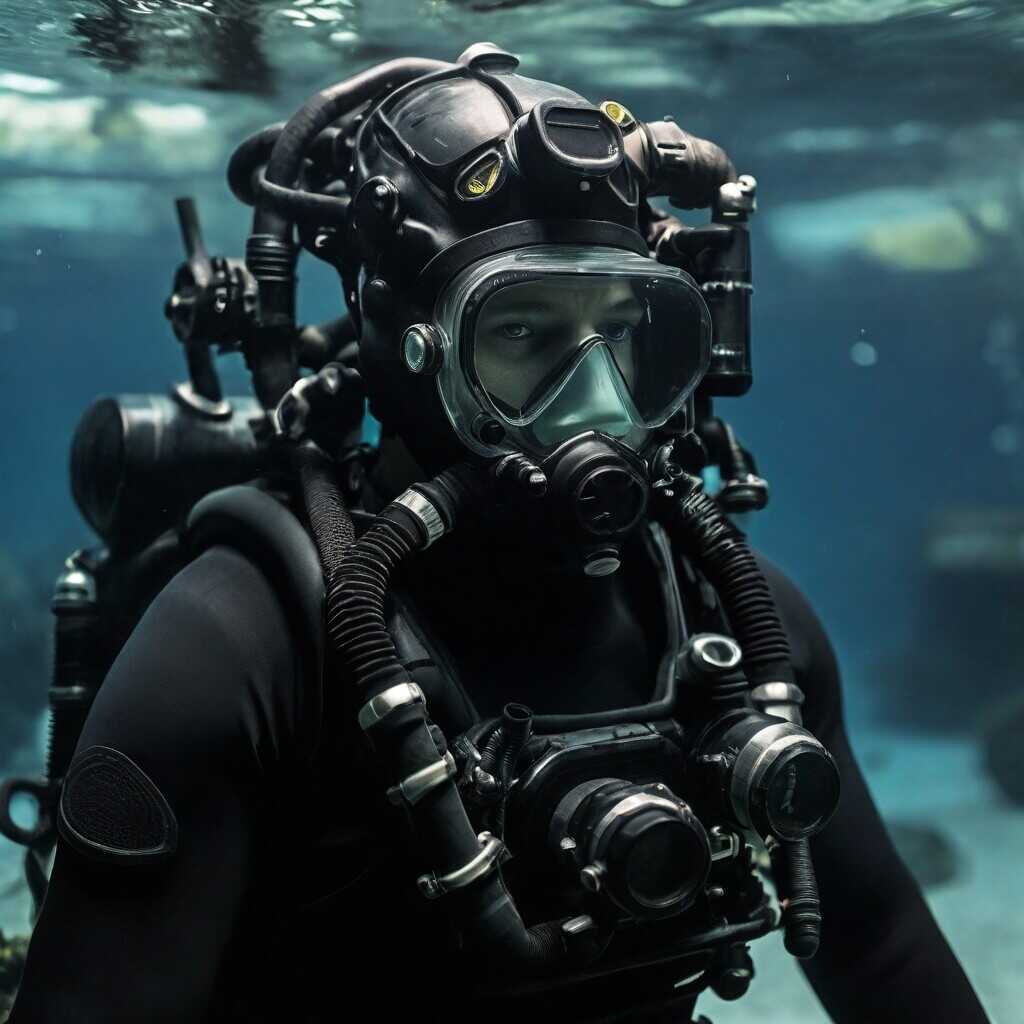
Maximizing safety with the Bhlmann GF configuration in Shearwater Peregrine
The Bhlmann GF Algorithm contributes to diver safety by providing precise decompression stop calculations. Key safety features in Shearwater Peregrine include customizable gradient factors and emergency ascent alarms. Divers can monitor their safety using the Shearwater Peregrine’s real-time display of no-decompression limit and ascent rate. Common safety advice includes conservative gradient settings and frequent equipment checks. Safety checks required before diving include verifying computer calibration and reviewing gradient factor adjustments.
What precautions should be taken when setting gradient factors?
Understanding gradient factors before setting them is crucial to avoid improperly balanced decompression profiles. Recommended gradient factors for beginner divers often start at conservative settings like 30/70. Divers should review and adjust their gradient factor settings before each dive, especially when changing dive conditions. Environmental conditions like water temperature and current can affect gradient factor settings, requiring adjustments. Experienced divers typically use gradient factor ranges of 40/85 to 50/90, depending on their diving profile and conditions.