
Best settings for scuba diving cameras
The optimal settings for underwater photography generally include a low ISO, a medium aperture, and a shutter speed fast enough to freeze motion. Adjusting camera settings for deep versus shallow water photography involves using a wider aperture in deeper waters to capture more light, and a smaller aperture in shallower waters for broader depth of field. For scuba diving photography, an ISO setting ranging from 100 to 400 proves to be the best choice for balancing light sensitivity without introducing excess noise, especially critical in the clear waters captured in Olympus camera reviews in 2023.
Table of Contents
- Best settings for scuba diving cameras
- Choosing the Right Camera Gear for The Deep
- How to capture clear underwater images
- Mastering Focus in Aquatic Environments
- Techniques to stabilize a scuba diving camera
- Securing Steady Shots Beneath the Waves
- Lighting tips for underwater photography
- What’s the Ideal Color Temperature for Underwater Lights?
- How to prevent fogging in scuba diving cameras
- How to Battle Lens Condensation Under the Sea?
- Essentials of underwater photography composition
- How to Utilize Negative Space in Marine Shots?
Choosing the Right Camera Gear for The Deep
To capture high-quality underwater photos, experts recommend a camera with at least 12 megapixels. Cameras suitable for scuba diving should have a minimum depth rating of 40 meters to handle the pressures of deep diving. For smooth underwater videos, a frame rate of at least 60 frames per second is advisable, ensuring that action shots of marine life are seamless and clear. These features are often highlighted in digital camera reviews highlighting the latest advancements in underwater photography gear.
How to capture clear underwater images
Avoiding blurry underwater photographs starts with using a fast shutter speed and holding the camera steady. Focusing underwater can be optimized by using autofocus with a single point or a small cluster of points to target specific subjects, such as fish or coral. To ensure color accuracy in underwater photos, manually adjusting the white balance based on the dominant colors of the scene or using underwater color correction filters can dramatically enhance the results, a tip that improves photographs taken with any high-quality action camera.
Mastering Focus in Aquatic Environments
Setting the focus distance approximately one meter away tends to work well for crisp coral reef photography. Using multiple focus points, ideally around 9 to 11, helps in capturing dynamic marine life shots with clarity and depth. A minimum shutter speed of 1/125th of a second is recommended to freeze motion underwater, capturing fast-moving subjects like schools of fish with precision, as often demonstrated in stunning images shared in Olympus underwater photography forums.
- Enhances memories of underwater adventures.
- Provides excellent content for marine biology research.
- Helps improve your diving skills by focusing on buoyancy.
- Delivers great opportunities for unique shots.
- Ensures divers pay more attention to marine life.
- Increases appreciation for ocean conservation.
- Optimizes your ability to use advanced dive gear.
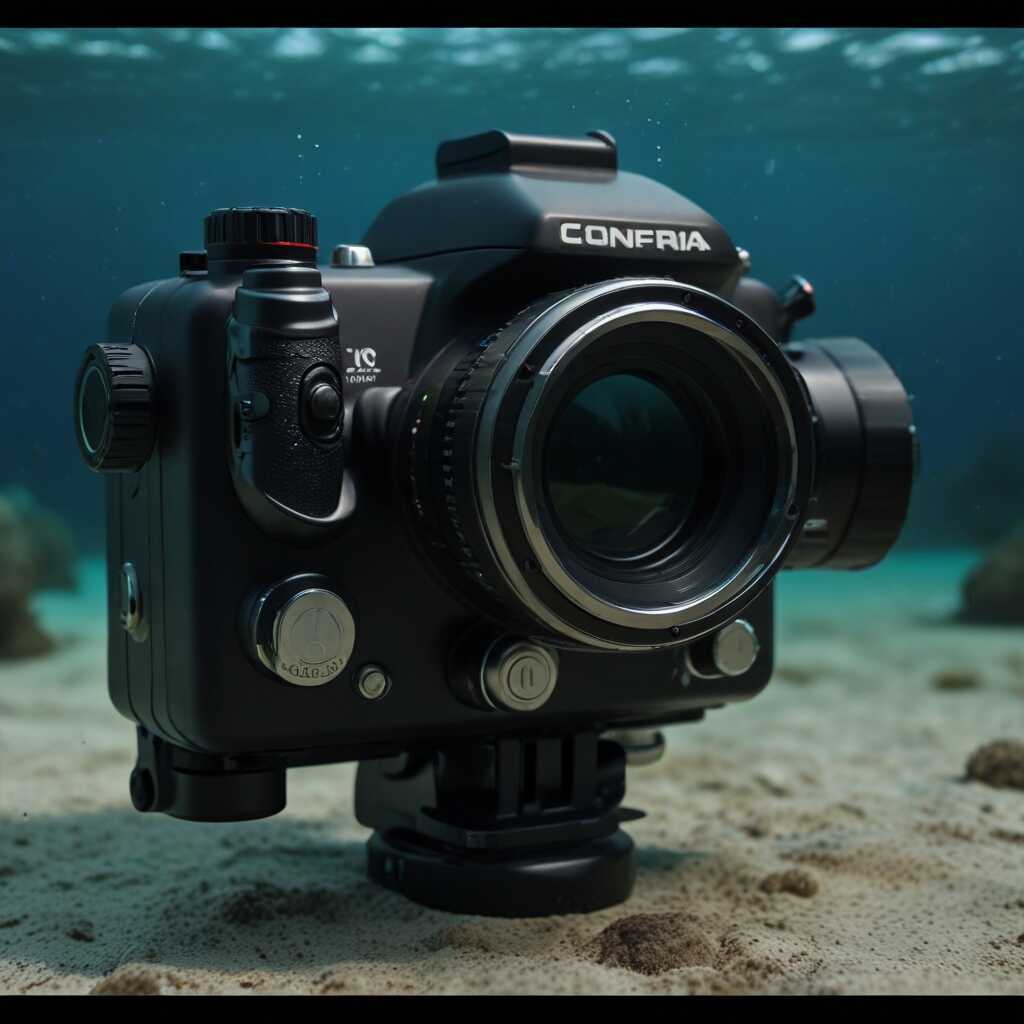
Key Tips for Underwater Photography for Scuba Divers
| Aspect | Tips |
|---|---|
| Camera Settings | Use manual mode for better control |
| Lighting | Use natural light or external strobes |
| Depth | Stay shallow for more color and details |
| Composition | Frame subjects with negative space |
| Post-processing | Enhance colors and clarity in editing |
| Buoyancy | Practice neutral buoyancy for steady shots |
Techniques to stabilize a scuba diving camera
For underwater use, a GoPro with a handheld gimbal is highly recommended to reduce camera shake. These stabilizing equipments ensure smoother footage by compensating for unwanted movements. Holding the camera close to the body with elbows tightly against the ribcage is an effective technique to maintain steadiness. This approach provides additional support, optimizing underwater photography results. Trusting brands like GoPro for underwater photography equipment helps in achieving high-quality images.
Securing Steady Shots Beneath the Waves
The average weight of underwater stabilizing gear ranges from 1 to 5 pounds, ensuring easy handling and maneuverability. Experts recommend using at least three points of contact for stabilization to significantly reduce camera wobble. At depths beyond 10 meters, water resistance impacts stabilization, making it crucial to adapt techniques accordingly. These adaptations are essential for capturing crisp images in the deep sea, a challenge that Nikon underwater housings handle well.
Lighting tips for underwater photography
Wide-angle lenses and external flashes or strobes are best suited for deep water photography, enhancing both color and clarity. Adjusting the white balance manually can greatly improve color accuracy in varying depths. The optimal use of strobes involves angling them outward slightly to reduce backscatter and highlight the subject. Such lighting techniques, when applied correctly, can bring life to underwater scenes, with Canon offerings providing reliable solutions in challenging conditions.
What’s the Ideal Color Temperature for Underwater Lights?
The Kelvin range for daylight balance underwater is typically between 5000 to 6500K, mimicking natural sunlight. For clear visibility at a depth of 20 meters, lights with at least 1000 lumens are beneficial. Artificial light becomes necessary for accurate color representation at depths beyond 5 meters, where natural light fails to penetrate. These insights are crucial for divers seeking to optimize their underwater visuals, with brands like SeaLife catering to these specific needs.
- Typical waterproof cameras can handle depths up to 40 meters.
- Using flash increases photo quality underwater.
- Over 70% of divers believe photography improves their dive experience.
- Most underwater pictures are shot within 10 meters of the surface.
- You can take thousands of photos with modern digital cameras.
- Using a strobe light can extend your camera’s battery life underwater.
- 2023 technology allows for instant photo sharing from underwater.

How to prevent fogging in scuba diving cameras
Keeping your underwater camera lens from fogging is achievable by applying a thin layer of anti-fog solution before diving. Anti-fog solutions designed specifically for dive cameras deliver excellent results in preventing moisture buildup. Temperature changes significantly affect the fogging of underwater cameras, especially when moving from cooler air into warmer water, enhancing condensation risk. It’s optimal to allow the camera and housing to adjust to water temperature gradually to minimize fogging.
How to Battle Lens Condensation Under the Sea?
The optimal temperature differential to prevent condensation is to keep the camera as close to the water temperature as possible. Using 3-4 silica gel packets inside the camera housing can handle excess moisture effectively. Anti-fogging measures should be reapplied after every 3 to 5 dives to ensure the underwater camera remains clear and free from condensation, providing better quality photos.
Essentials of underwater photography composition
Good composition in underwater photography is based on principles that include balance, symmetry, and leading lines. Utilizing the rule of thirds underwater enhances visual interest by dividing the frame into a grid and placing key elements along these lines. Framing techniques that work best for marine subjects often involve getting close enough to the subject to fill the frame, yet leaving room to showcase the environment, effective from 2023 onwards.
How to Utilize Negative Space in Marine Shots?
For a balanced composition, the subject should occupy about one-third of the frame, making the shot’s focus clear while the remaining space serves to not overcrowd the view. Including 2 to 3 primary colors in an underwater composition increases visual interest without overwhelming the viewer. Composing with negative space becomes challenging at visibility lower than 5 meters, as murkiness and particulates in the water can obscure the subject and dilute colors.