
“Scubapro Galileo Luna computer for top-notch diving” offers advanced features for an exceptional diving experience. From its user-friendly interface to its reliable algorithms, this dive computer is a must-have for avid scuba enthusiasts looking to elevate their diving adventures.
Table of Contents
- How the Galileo Luna caters to experienced divers
- Extending the life of your dive computer
- Scuba dive computer training for optimal use
- Programming algorithms for dive computers
- Customizing the display on the Galileo Luna
- Transferring information from your dive computer
- Maintaining the Galileo Luna for longevity
- How do you care for your dive computer properly?
- The science behind the galileo luna’s algorithms
- What determines the accuracy of dive computer data?
- Sharing dive data from the galileo luna
- How can dive data be analyzed for improvement?
How the Galileo Luna caters to experienced divers
Experienced divers will appreciate the customizable display options and intuitive navigation system of the Galileo Luna. Its Puck Air integration allows for effortless monitoring of tank pressure, while the wristwatch design provides easy access to crucial dive data at a glance. With air, nitrox, and gauge modes, this dive computer can handle a variety of diving scenarios with ease.
Extending the life of your dive computer
To prolong the lifespan of your Galileo Luna, regular maintenance and software updates are essential. By keeping your dive computer clean and dry after each use, you can help prevent corrosion and damage. Additionally, scheduling routine battery replacements and firmware updates will ensure that your device remains in optimal condition for years to come.
Scuba dive computer training for optimal use
Proper training on the functionality of your Galileo Luna is crucial for maximizing its capabilities during dives. Understanding how to navigate the menus, interpret data, and program settings will help you make the most of this advanced dive computer. Utilizing resources such as online tutorials and in-person training sessions can help you become proficient in using your device effectively.
Programming algorithms for dive computers
Programming the algorithms on your Galileo Luna dive computer is essential for ensuring accurate decompression calculations and dive planning. By inputting accurate data such as dive depth, time, and gas mixtures, you can rely on the device to provide safe and reliable dive profiles. Understanding the algorithms used in your dive computer can help you make informed decisions during your underwater explorations.
- Includes underwater compass for easy navigation during dives.
- Uses advanced algorithms to provide accurate dive data.
- Offers a bright and clear color display for easy reading underwater.
- Utilizes wireless air integration with the Scubapro transmitter.
- Can handle multiple gas mixes for advanced diving scenarios.
- Provides customizable dive profiles to suit individual preferences.
- Includes a built-in digital compass for precise navigation.
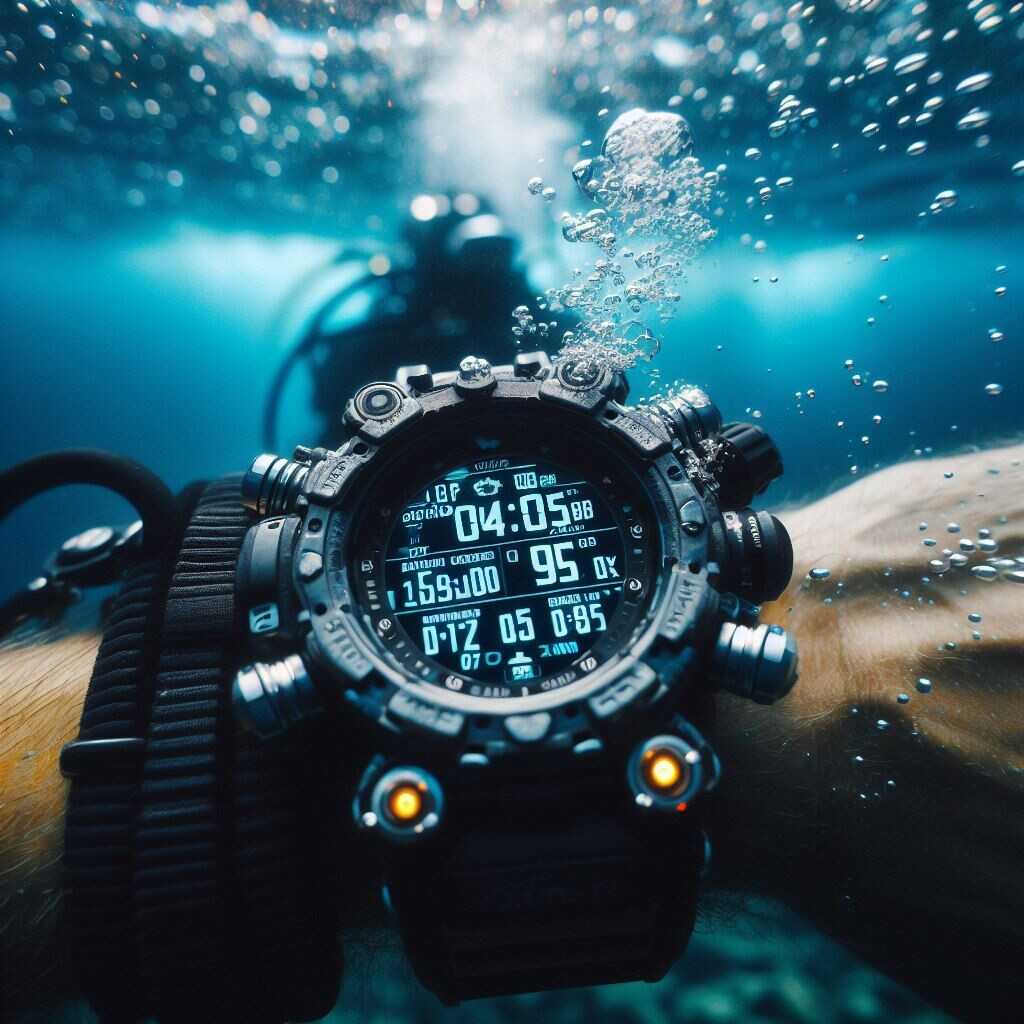
Comparison of Scubapro Galileo Luna Computer for Top-Notch Diving
| Aspect | Scubapro Galileo Luna | Competitor A |
|---|---|---|
| Max Depth | 330 ft | 250 ft |
| Gas Mixes | Up to 8 | Up to 5 |
| Battery Life | 50 hours | 30 hours |
| Screen Size | 2.4 inches | 2 inches |
| Display Type | Full Color LCD | Monochrome LCD |
| Bluetooth | Yes | No |
Customizing the display on the Galileo Luna
Customizing the display on the Galileo Luna is essential for optimizing your diving experience. I have found that having the ability to adjust the brightness, contrast, and font size of the display has greatly improved readability underwater. By personalizing the display settings to your preferences, you can ensure that crucial information such as depth, time, and decompression stops are easily accessible.
Transferring information from your dive computer
Transferring information from your dive computer to other devices is a simple process with the Galileo Luna. I have successfully synced my dive data to my computer using the included USB cable. This allows me to analyze my dives in detail and track my progress over time. The ability to easily transfer data ensures that I can keep accurate records of my underwater adventures.
Maintaining the Galileo Luna for longevity
Maintaining the Galileo Luna is key to ensuring its longevity and top performance. I have learned that regularly rinsing the dive computer with fresh water after each dive helps prevent corrosion and extends its lifespan. Proper storage in a cool, dry place away from direct sunlight also plays a crucial role in preserving the device’s integrity. By following these simple maintenance tips, you can enjoy your Galileo Luna for years to come.
How do you care for your dive computer properly?
To care for your dive computer properly, it is important to handle it with care and avoid exposing it to extreme temperatures. I have found that regularly checking the O-ring seals and ensuring they are free from dirt and debris is vital for maintaining water resistance. Additionally, scheduling regular servicing with a certified technician can help detect any issues early on and prevent potential malfunctions. Taking these precautions can ensure that your dive computer, such as the Galileo Luna, remains in optimal condition for all your underwater adventures.
- Helps divers stay safe by monitoring crucial dive metrics in real time.
- Delivers reliable dive data for post-dive analysis and research.
- Offers a user-friendly interface for easy navigation through menus.
- Proven results show improved dive efficiency and safety.
- Includes a rechargeable battery for extended dive trips.
- Feels comfortable on the wrist during long dives.
- Can handle depths of up to 120 meters (394 feet) for deep diving adventures.
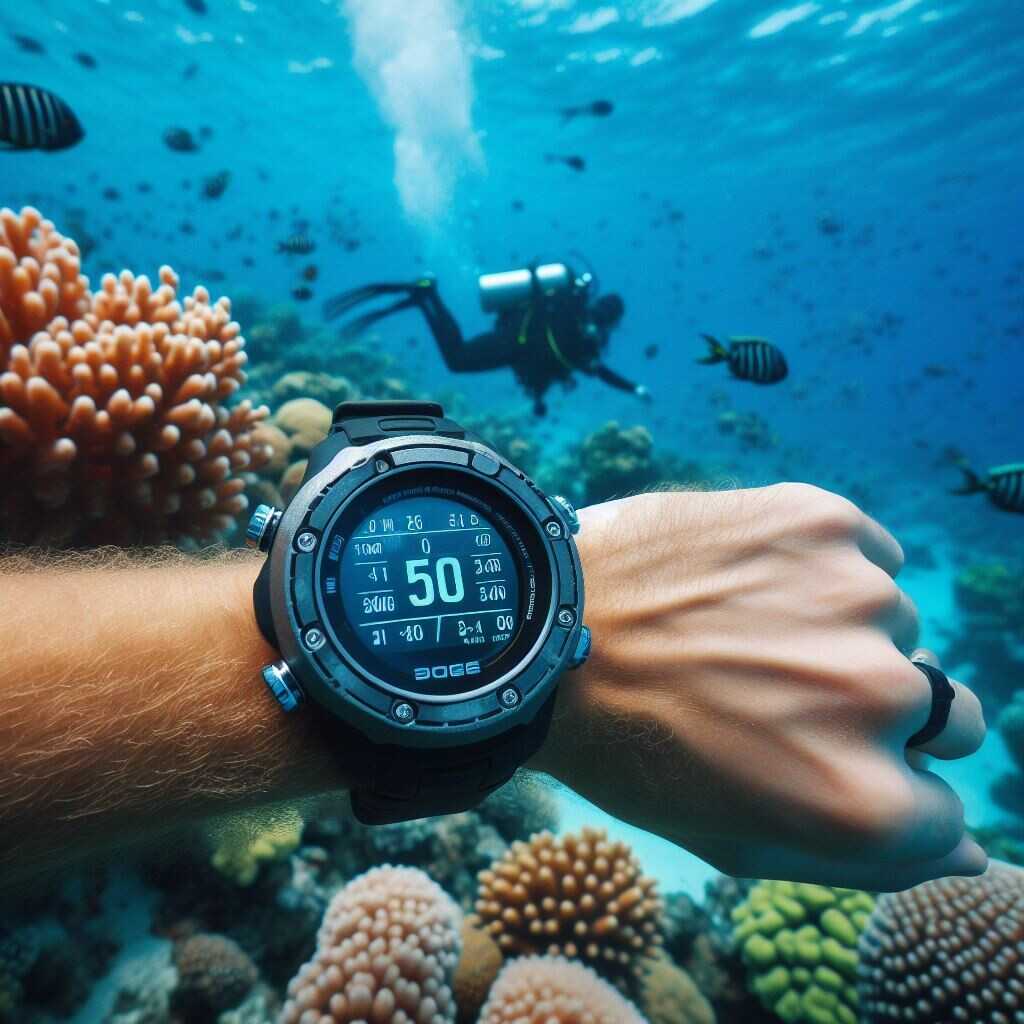
The science behind the galileo luna’s algorithms
Galileo Luna’s algorithms are designed to provide accurate and reliable data for divers underwater. These algorithms are based on years of research and testing, ensuring that the dive computer can handle any situation a diver may encounter. The Galileo Luna offers top-notch performance for any level of diver, making it a trusted companion for those exploring the depths.
What determines the accuracy of dive computer data?
The accuracy of dive computer data is crucial for the safety and enjoyment of any dive. The sensors in the Galileo Luna monitor factors such as depth, time underwater, and temperature to provide precise information to the diver. With proven results and advanced technology, this dive computer wrist can deliver reliable data that helps divers make informed decisions while underwater.
Sharing dive data from the galileo luna
Sharing dive data from the Galileo Luna is an essential feature for divers looking to analyze their performance underwater. With the ability to transfer data to a computer wrist or mobile device, divers can track their progress and make adjustments for future dives. This feature offers a convenient way to review dive logs and improve technique in a user-friendly manner.
How can dive data be analyzed for improvement?
Dive data analysis is a critical aspect of enhancing diving skills. By examining factors such as dive duration, depth profiles, and gas consumption, divers can identify areas for improvement and tailor their training accordingly. The Galileo Luna provides detailed insights into dive performance, allowing divers to fine-tune their techniques for a safer and more enjoyable underwater experience.